


Thai Food Pairing Tips for Las Vegas Diners
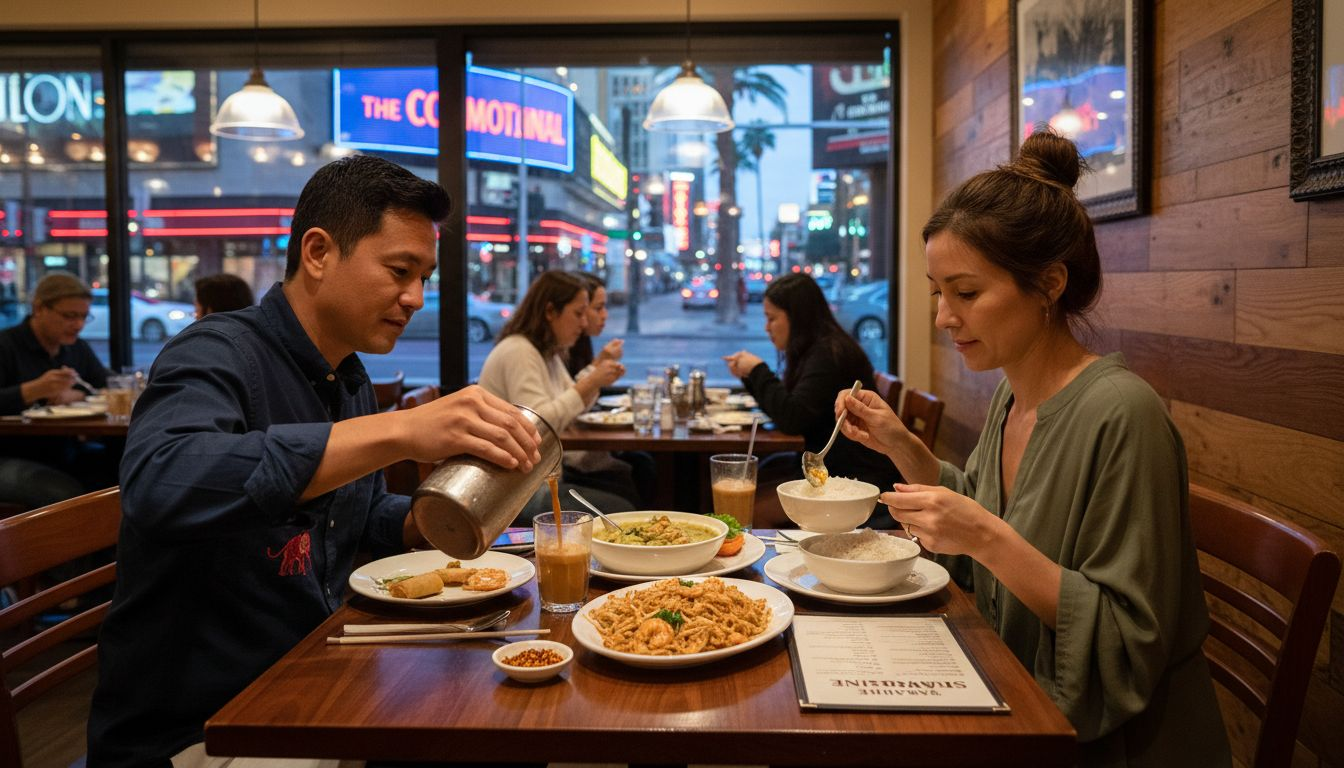
Craving a meal where every bite brings new excitement to your palate? For Northwest Las Vegas food lovers eager to experience authentic Thai cuisine, understanding how to pair dishes with complementary flavors can turn a simple dinner into an unforgettable journey. Thai food is built on the art of achieving flavor harmony by balancing sweet, sour, salty, and spicy notes using fresh ingredients and aromatic herbs. Discover how these pairing basics can transform your dining experience into something truly extraordinary.
Table of Contents
Key Takeaways
Point | Details |
Flavor Balance is Key | Thai cuisine combines sweet, sour, salty, and spicy elements to achieve harmony in dishes. Understanding these interactions is essential for authentic flavor experiences. |
Condiments Enhance Meals | Thoughtful selection of condiments can transform dishes by adding depth and complexity, allowing diners to customize their meals. |
Drink Pairing Matters | Complementing Thai dishes with suitable beverages enhances the overall sensory experience, balancing rich flavors with refreshing options. |
Avoid Common Mistakes | Awareness of ingredient interactions and maintaining balance is crucial to avoid overwhelming flavors that can detract from the dining experience. |
Understanding Thai Food Pairing Basics
Thai cuisine represents a complex culinary art form that balances multiple flavor profiles with remarkable precision. Thai taste profiles demonstrate an intricate approach to combining sweet, sour, salty, and spicy elements in every dish. This harmonious method distinguishes Thai cooking from many other global cuisines.
Traditional Thai cooking leverages several fundamental principles when creating balanced meals. The primary goal is achieving flavor harmony through strategic ingredient combinations. Key techniques include:
Balancing opposing taste sensations
Using fresh, aromatic herbs
Incorporating multiple cooking methods
Blending ingredients with complementary flavor compounds
Scientific research suggests that food pairing goes beyond simple ingredient matching. Flavor compound interactions play a crucial role in creating memorable dining experiences. Thai chefs understand that successful pairings involve more than just combining similar ingredients - they create complex sensory journeys that engage multiple taste receptors simultaneously.
Understanding these principles requires recognizing how different elements interact. Spicy curries might be balanced with cooling herbs, while sweet components can moderate intense savory notes. The magic of Thai cuisine lies in its ability to create dishes that are simultaneously bold and nuanced.
Pro tip: When exploring Thai food pairings, start by tasting individual ingredients and noting how their flavors change and complement each other.
Decoding Thai Flavors and Their Balance
Thai cuisine is a masterful symphony of taste sensations that goes far beyond simple cooking. Flavor balance techniques represent a sophisticated culinary approach that transforms ingredients into extraordinary dining experiences. Each dish carefully orchestrates sweet, sour, salty, and spicy elements to create a harmonious flavor profile.
The fundamental principles of Thai flavor balance involve strategic ingredient selection and preparation. Key components that contribute to this complex taste experience include:
Fish sauce for saltiness
Palm sugar for sweetness
Tamarind paste for sourness
Thai chilies for heat
Aromatic herbs like lemongrass and kaffir lime leaves
Understanding these flavor interactions requires appreciating how Thai culinary traditions blend influences from multiple regional cuisines. The result is a dynamic flavor landscape that challenges and delights the palate. Chinese, Indian, and local Southeast Asian culinary techniques have all contributed to this sophisticated approach to cooking.
Mastering Thai flavor balance means learning to create dishes where no single taste overwhelms the others. Chefs carefully calibrate ingredients to ensure each bite provides a complex, nuanced experience. The interplay between different flavor components creates a sensory journey that makes Thai cuisine uniquely captivating.
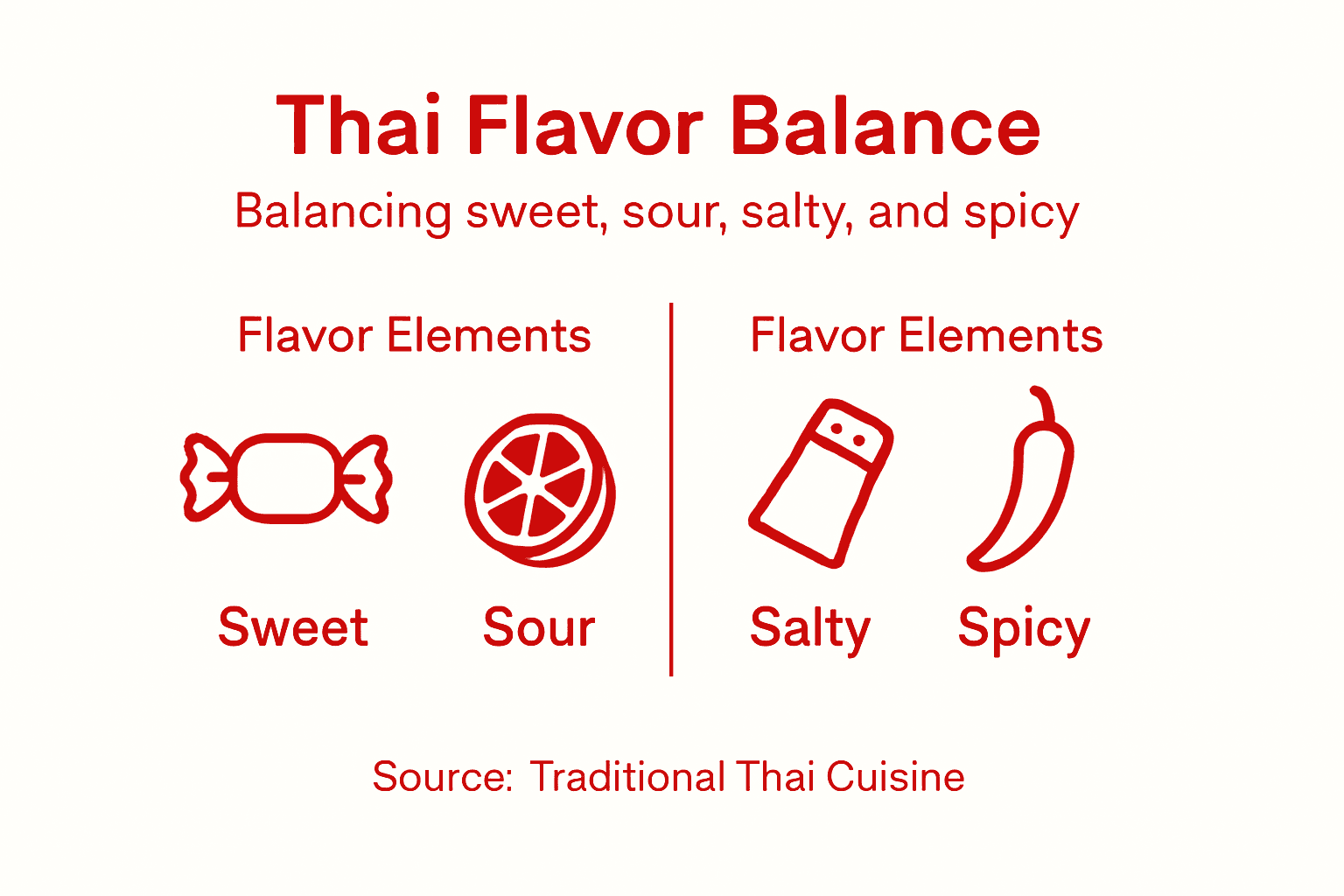
Here’s a quick reference for balancing Thai flavors:
Flavor Component | Typical Ingredient | Balances With |
Sweet | Palm sugar | Sour or spicy |
Sour | Tamarind paste | Sweet or salty |
Salty | Fish sauce | Sour or sweet |
Spicy | Thai chilies | Sweet or creamy |
Umami | Shrimp paste | Fresh herbs |
Pro tip: Experiment with small amounts of each key flavor component to understand how they interact and balance each other in authentic Thai cooking.
Pairing Thai Dishes With Sides and Condiments
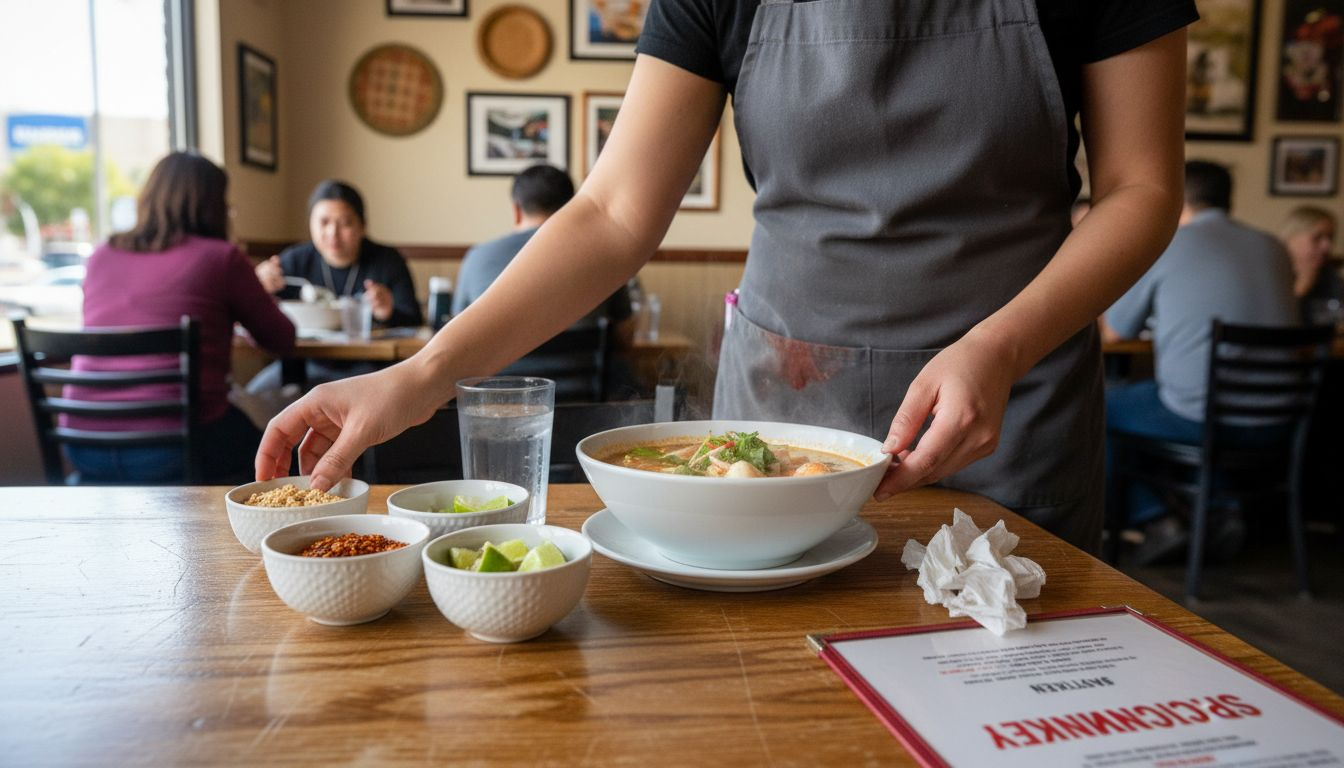
Mastering the art of Thai cuisine goes beyond the main dish - it’s about creating a complete sensory experience through thoughtful condiment selection. Each side and accompaniment plays a crucial role in elevating the overall flavor profile, allowing diners to customize their meal with remarkable precision.
Traditional Thai condiments offer an incredible range of flavor enhancers that transform ordinary dishes into extraordinary culinary adventures. Essential accompaniments include:
Fried garlic for nutty depth
Chili garlic sauce for heat
Shrimp paste for umami intensity
Dried chili dipping sauce for complex spiciness
Fresh herbs like holy basil and coriander for aromatic brightness
Rice and noodles serve as the foundational canvas for these flavor explosions. Thai meal components typically feature rice or rice noodles that absorb and complement the intricate sauce and condiment combinations. The strategic layering of flavors allows diners to adjust each bite’s intensity and character.
Understanding condiment pairings requires appreciating how different elements interact. A spicy curry might be tempered by a cool herb garnish, while a sweet sauce can be balanced with tangy pickled vegetables. The magic of Thai cuisine lies in its ability to create harmonious yet dynamic taste experiences that engage all parts of the palate.
Pro tip: Start with small amounts of each condiment and gradually mix to discover your perfect flavor combination.
Best Drinks to Complement Thai Cuisine
Thai cuisine’s complex flavor profiles demand equally sophisticated beverage pairings that can balance and enhance the dining experience. Thai beverage traditions offer an array of drinks specifically designed to complement the intricate tastes of spicy, sweet, and savory dishes.
Traditional Thai drink options include several remarkable choices that harmonize beautifully with different meal styles:
Thai Iced Tea: Creamy and sweet, perfect for cooling spicy dishes
Oliang (Thai Iced Coffee): Rich and smoky, ideal for robust flavor profiles
Local Thai beer varieties
Herbal iced teas with lemongrass
Coconut water for light, refreshing accompaniment
Thai iced coffee provides an exceptional counterpoint to intense flavor combinations. Its smoky undertones and creamy texture create a delightful contrast with spicy curries and complex stir-fry dishes. The condensed milk adds a sweet dimension that softens more aggressive taste notes.
Understanding drink pairings means recognizing how beverages can either complement or contrast with your meal. A sweet drink might temper a fiery curry, while a crisp beer could cut through rich, fatty dishes. The goal is creating a balanced sensory experience that elevates both the food and the drink.
The table below shows popular Thai dishes and the best drink pairings:
Thai Dish | Ideal Drink Match | Rationale |
Green Curry | Thai iced tea | Cools heat, adds creaminess |
Pad Thai | Herbal lemongrass tea | Refreshes between bites |
Spicy Papaya Salad | Coconut water | Light, soothes spice |
Massaman Curry | Local Thai beer | Cuts richness, refreshes |
Pro tip: Experiment with different beverage temperatures and sweetness levels to discover your perfect Thai food and drink combination.
Mistakes to Avoid in Thai Food Pairing
Navigating Thai cuisine requires understanding subtle nuances that can make or break your dining experience. Food safety guidelines are crucial in preventing common mistakes that could compromise both flavor and health when exploring these complex dishes.
Frequent missteps in Thai food pairing include:
Overwhelming spice levels without balance
Ignoring complementary flavor profiles
Mismatching protein and sauce combinations
Neglecting textural contrasts
Over-seasoning delicate ingredients
Using incorrect cooking temperatures
Authentic Thai cuisine demands a delicate balance between ingredient interactions. Novice diners often make the critical error of treating Thai dishes like standard Western cuisine, failing to understand the intricate interplay of sweet, sour, salty, and spicy elements that define these remarkable meals.
Understanding flavor harmony means recognizing that each ingredient serves a specific purpose. A heavy-handed approach can destroy the nuanced taste experience that makes Thai cuisine so extraordinary. Successful pairings require thoughtful consideration of how different components interact, complement, and enhance each other.
Pro tip: Start with small quantities when experimenting with new Thai ingredients and gradually adjust to understand their complex flavor interactions.
Experience Authentic Thai Food Pairing in Las Vegas
Mastering Thai food pairing involves balancing sweet, sour, salty, and spicy flavors to create a truly memorable meal. At Thai Spoon Las Vegas, we understand how important it is to enjoy this perfect harmony through every bite. Whether you are new to Thai cuisine or eager to explore classic dishes like Pad Thai, Yellow Curry, and Steak Fried Rice, we offer expertly crafted meals that highlight authentic taste profiles combined with fresh herbs and complementary condiments.
Taste the magic of perfectly paired Thai flavors today by visiting Thai Spoon Las Vegas. Order online for convenient pickup or delivery and explore our vegan and gluten-free options designed to satisfy every palate. Don’t miss our special lunch and happy hour menus that make authentic Thai cuisine accessible and exciting. Start your flavorful journey now and discover why local residents and visitors choose us for genuine Thai dining away from the Strip.
Frequently Asked Questions
What are the key components of Thai flavor balance?
The key components include fish sauce for saltiness, palm sugar for sweetness, tamarind paste for sourness, Thai chilies for heat, and aromatic herbs like lemongrass and kaffir lime leaves.
How can I enhance my Thai dining experience with condiments?
You can elevate your meal by using traditional condiments such as fried garlic for nutty depth, chili garlic sauce for heat, or fresh herbs like holy basil and coriander for aromatic brightness.
What beverages pair well with spicy Thai dishes?
Thai iced tea and coconut water are excellent choices, as they cool off the heat from spicy dishes, while local Thai beers can refresh and cut through rich flavors.
What mistakes should I avoid when pairing Thai food?
Common mistakes to avoid include overwhelming spice levels without balance, neglecting textural contrasts, and over-seasoning delicate ingredients. It’s essential to recognize how different components interact to create a harmonious dining experience.
Recommended
Comments