


How to find safe gluten-free Thai menu options in 2026
Finding truly safe gluten-free Thai food in northwest Las Vegas can feel impossible when hidden ingredients and cross-contact risks lurk in every dish. You want authentic Thai flavors without the worry of accidental gluten exposure. This guide gives you the practical knowledge to confidently order gluten-free Thai takeout or delivery, protect your health, and enjoy delicious meals from local restaurants like Thai Spoon Las Vegas.
Table of Contents
Key takeaways
Point | Details |
Legal gluten-free definition | US FDA sets 20 ppm gluten as the safe threshold for gluten-free labeled foods. |
Cross-contact is the primary risk | Gluten-free foods can become contaminated during preparation in restaurant kitchens. |
Verification reduces exposure | Checking certifications and asking about preparation cuts accidental gluten intake by over 90%. |
Clear ordering instructions work | |
Trained staff matter | Certified restaurants with staff training lower cross-contact risks by 75%. |
Prerequisites: what you need to know before ordering gluten-free Thai food
Before you place your next Thai food order, understanding a few critical facts will protect you from hidden gluten. Knowledge about regulations, common ingredients, and contamination risks empowers you to make safer choices every time.
The US FDA defines gluten-free foods as containing less than 20 parts per million (ppm) of gluten, which is recognized as safe for people with celiac disease. This legal standard helps you identify foods genuinely safe for your needs. However, labels alone don’t tell the whole story.
Cross-contact during food preparation is the primary risk for gluten exposure in restaurant takeout and delivery. This happens when gluten-containing foods touch your gluten-free meal on shared cooking surfaces, utensils, or fryers. Even trace amounts can trigger symptoms if you have celiac disease or severe gluten sensitivity.
Many popular Thai ingredients contain gluten unless specified otherwise. Understanding which ingredients pose risks helps you spot safe dishes on any menu:
Soy sauce typically contains wheat and is used in stir-fries, noodle dishes, and marinades
Traditional fish sauce may contain gluten-based additives or fillers
Curry pastes sometimes include wheat flour or soy sauce as thickeners or flavor enhancers
Fried items may be cooked in oil shared with breaded gluten-containing foods
Pre-made sauces and condiments often hide gluten in stabilizers or flavoring agents
Knowing these risk factors before you order helps you ask the right questions. When you understand gluten-free Thai cuisine basics, you can navigate menus confidently and communicate your needs clearly to restaurant staff.
Familiarizing yourself with a gluten-free Thai dishes list gives you a starting point for safe ordering. Learning about Thai food allergies in Las Vegas helps you understand local restaurant practices and how to advocate for your dietary needs effectively.
Pro Tip: Always ask if soy sauce is gluten-free or if the restaurant uses tamari as a substitute. This simple question can prevent accidental exposure in 80% of Thai dishes.
How to identify gluten-free menu options at Thai restaurants
Spotting safe gluten-free dishes requires more than scanning a menu. You need to recognize legitimate certifications, decode ingredient lists, and ask strategic questions that reveal potential cross-contact issues.
Look for gluten-free certifications like GFCO or FDA-compliant gluten-free claims printed directly on menus. Reading ingredient lists and verifying these certifications reduces accidental gluten exposure by over 90% in restaurant settings. These labels mean the restaurant has taken measurable steps to ensure safety.
Avoid dishes that traditionally contain soy sauce or curry pastes unless the menu explicitly states they use gluten-free versions. Popular dishes like Pad Thai, fried rice, and most curry dishes often contain hidden gluten. When choosing gluten-free Thai options, focus on dishes naturally free from wheat-based ingredients.
Ask restaurant staff specific questions about ingredients and kitchen practices:
Does your soy sauce contain wheat, or do you offer tamari?
Are curry pastes made in-house or purchased, and do they contain gluten?
Do you use separate cooking surfaces and utensils for gluten-free orders?
Are fryers dedicated to gluten-free items only?
Can you prepare my dish with fresh, uncontaminated ingredients?
These questions show staff you’re serious about avoiding gluten and prompt them to take extra care. Direct communication about cross-contact procedures helps you gauge whether a restaurant can safely accommodate your needs.
Carefully reading menu descriptions and claims reduces your risk significantly. Many restaurants now mark gluten-free items with symbols or separate menu sections. Look for phrases like “prepared in a dedicated gluten-free area” or “certified gluten-free ingredients.” Understanding the benefits of gluten-free Thai motivates you to seek out restaurants that prioritize safety.
When in doubt about a dish, choose simpler preparations with fewer ingredients. Grilled meats, steamed vegetables, and rice-based dishes pose lower risks than complex sauces or fried foods. Exploring allergy-friendly Thai dishes expands your safe dining options.
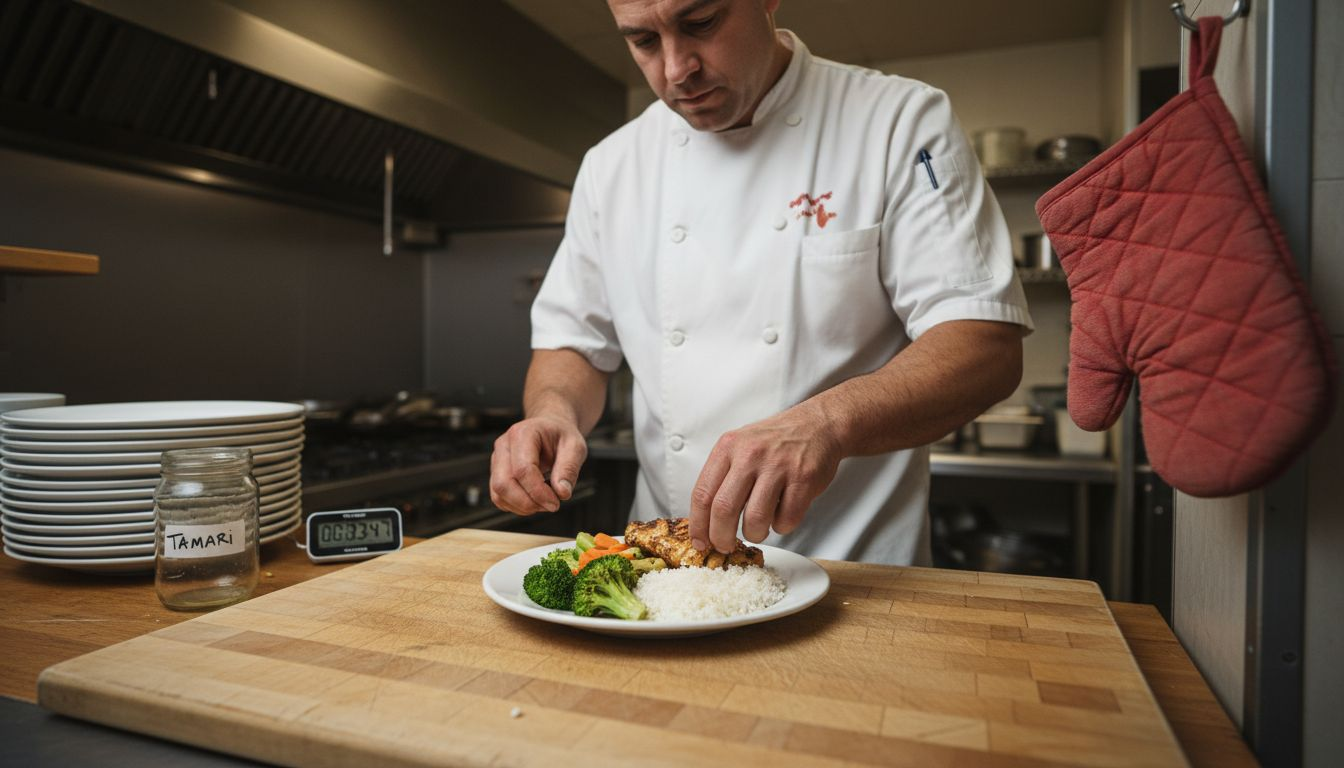
Pro Tip: Request gluten-free soy sauce or tamari on the side rather than cooked into your dish. This gives you control and reduces the chance of mix-ups in a busy kitchen.
Safe ordering practices for takeout and delivery
Ordering gluten-free Thai food for takeout or delivery adds extra challenges, but following specific protocols keeps your meals safe. The key is clear communication at every step, from placing your order to receiving your food.
Ordering gluten-free meals with explicit instructions about cross-contact precautions increases success by up to 85%. Don’t assume staff will automatically understand the severity of your dietary needs. Be direct and specific when you place your order, whether by phone or online.
Choose restaurants with trained staff and certified gluten-free menus whenever possible. Restaurants that train kitchen staff on gluten-free protocols and maintain dedicated preparation areas reduce cross-contact risks by 75%. Thai Spoon Las Vegas trains staff specifically on gluten-free preparation, making it a reliable choice for northwest Las Vegas diners.
Prefer online ordering platforms that explicitly highlight gluten-free options and allow special instruction fields. Written orders create a paper trail and reduce miscommunication compared to phone orders. When finding gluten-free Thai near me, prioritize restaurants with robust online ordering systems.
Follow these steps to confirm your gluten-free requests:
Specify gluten-free requirements clearly in the order notes, mentioning celiac disease or severe sensitivity if applicable
Call the restaurant after placing your online order to confirm they received and understand your gluten-free request
Ask about their cross-contact prevention protocols, including separate cooking surfaces and utensils
Request that your meal be packaged separately from gluten-containing orders to prevent contamination during transport
Double-check packaging upon delivery to ensure it’s labeled or sealed as gluten-free
These verification steps may seem excessive, but they significantly reduce your exposure risk. Most restaurants appreciate customers who communicate clearly rather than complaining after a problem occurs.
Understanding the online Thai ordering workflow helps you navigate ordering platforms efficiently while ensuring your dietary needs are communicated properly. Look for restaurants that make gluten-free ordering straightforward rather than complicated.
When the online menu lacks clear gluten-free details, always call ahead before ordering. Speaking directly with staff lets you ask specific questions about ingredients and preparation methods. This extra step takes minutes but protects your health for days.
Pro Tip: Save a template note in your phone with your gluten-free requirements and paste it into order notes every time. This ensures consistent, clear communication and saves you from retyping the same instructions repeatedly.
Common mistakes and failure points in gluten-free dining
Even well-intentioned diners make critical errors that lead to accidental gluten exposure. Recognizing these common mistakes helps you avoid painful symptoms and maintain your health when ordering Thai food.
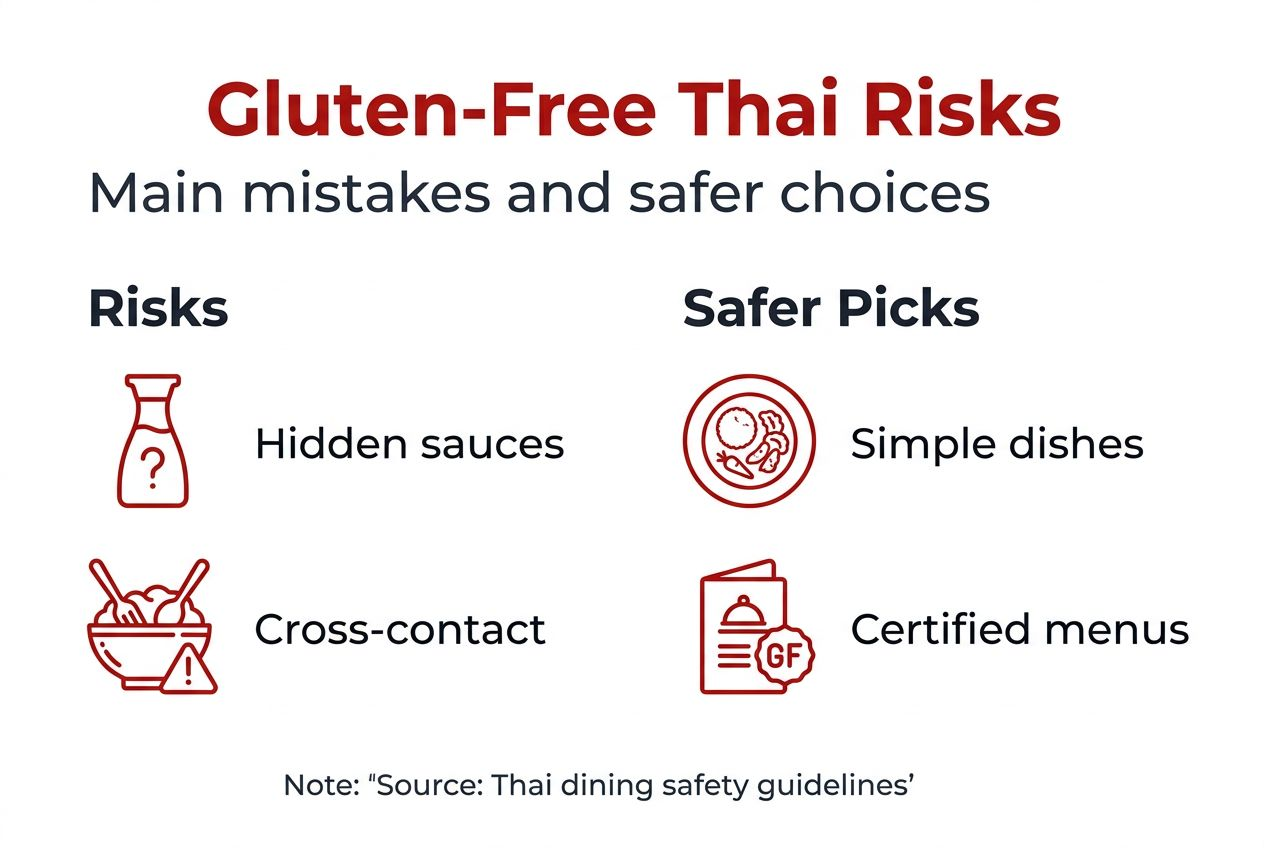
Assuming all “gluten-free” labels guarantee zero gluten creates false security. Labels mean less than 20 ppm, which is safe for most people with celiac disease but not zero gluten. Cross-contact during preparation can still introduce gluten despite proper labeling. Never let a gluten-free label replace vigilance about preparation practices.
Ordering soy sauce dishes without confirming gluten-free soy sauce is one of the most frequent mistakes. Common failure points include misreading menu labels, misunderstanding cross-contact risks, and ordering without specifying gluten-free needs, causing 30% of gluten-sensitive diners to accidentally ingest gluten. Traditional soy sauce contains wheat, and many restaurants use it as a default unless you specify otherwise.
Failing to explicitly communicate gluten-free needs causes dangerous misunderstandings:
Staff may think “gluten-free” means low-carb or a preference rather than a medical necessity
Kitchen workers might not understand the severity of cross-contact if you don’t emphasize it
Servers may assume dishes without obvious bread are automatically safe without checking ingredients
Delivery drivers might combine your gluten-free order with gluten-containing orders in the same bag
Ignoring cross-contact risks during preparation and delivery is common and dangerous. Even if ingredients are gluten-free, shared cooking surfaces, utensils, or fryers can contaminate your food. Cross-contact happens in seconds and leaves no visible trace, making it easy to overlook.
Not verifying your order upon receipt leads to consuming contaminated food. Check packaging for gluten-free labels or seals before eating. If something seems off or you forgot to specify gluten-free requirements, don’t risk it. Understanding how to choose gluten-free Thai helps you make better decisions at every ordering stage.
Trusting unfamiliar restaurants without researching their gluten-free practices puts you at risk. Not all restaurants understand gluten-free requirements or take them seriously. Read reviews from other gluten-free diners and check if the restaurant has certifications before ordering.
Ordering complex dishes with multiple sauces increases your exposure risk compared to simpler preparations. The more ingredients and preparation steps involved, the higher the chance of gluten contamination or hidden gluten-containing ingredients.
Expected outcomes and success metrics for gluten-free dining
Following proper gluten-free protocols delivers measurable health benefits and peace of mind. Understanding what success looks like motivates you to maintain vigilance and choose certified restaurants consistently.
Strict gluten-free diet adherence prevents gluten exposure symptoms in 100% of cases among lifelong adherents. When you eliminate gluten completely, your body heals and symptoms disappear. This outcome is achievable with consistent attention to ordering practices and restaurant selection.
Proper ordering reduces gluten exposure incidents by over 90% when you follow verification protocols. Clear communication, choosing certified restaurants, and confirming preparation methods dramatically cut your risk. These practices work when applied consistently.
Choosing certified restaurants with trained staff lowers cross-contact risk by 75% compared to restaurants without specific gluten-free protocols. Staff training makes the difference between safe meals and accidental exposure. Prioritizing restaurants with certifications protects your health long-term.
Measure your gluten-free dining success with these indicators:
Success Metric | Target Outcome | How to Track |
Symptom-free meals | 100% of orders | Keep a food diary noting any symptoms after eating |
Verified gluten-free ingredients | Every order | Confirm with staff before eating |
Clear menu transparency | All restaurants you frequent | Choose restaurants with detailed ingredient lists |
Proper cross-contact protocols | Every meal preparation | Ask about kitchen practices each time |
Consistent ordering accuracy | 95%+ orders correct | Track errors and switch restaurants if problems persist |
These metrics give you objective ways to evaluate your gluten-free dining safety. If you experience symptoms more than once from the same restaurant, that’s a clear sign their protocols aren’t working.
Understanding why gluten-free Thai in Las Vegas matters helps you appreciate the importance of choosing restaurants that prioritize your health. The right restaurant makes gluten-free dining effortless rather than stressful.
Success means enjoying Thai food without anxiety or symptoms. When you find restaurants that consistently deliver safe gluten-free meals, you can relax and savor authentic flavors. Building relationships with reliable restaurants creates a foundation for long-term gluten-free success.
Explore gluten-free options at Thai Spoon Las Vegas
You’ve learned how to identify safe gluten-free Thai food and order it correctly. Now it’s time to experience these practices in action at a restaurant that prioritizes your health and safety.
Thai Spoon Las Vegas offers multiple certified gluten-free Thai dishes crafted specifically for health-conscious diners in northwest Las Vegas. Our staff receives specialized training in gluten-free preparation and cross-contact avoidance protocols, ensuring every meal meets the highest safety standards. You can trust us to handle your dietary needs with the expertise and care they deserve.
Our convenient takeout and delivery options make enjoying safe gluten-free Thai food effortless from home or on the go. The Thai Spoon gluten-free menu clearly marks safe options and provides detailed ingredient information for every dish. Our online ordering platform lets you specify gluten-free requirements and add special instructions, giving you complete control over your meal preparation.
Experience authentic Thai flavors without compromising your health. Learn more about ordering Thai food online safely and discover our must-try Thai dishes that showcase traditional recipes adapted for gluten-free diets.
Frequently asked questions
What certifications ensure a Thai restaurant’s gluten-free menu is safe?
Look for GFCO certification, which requires foods to contain less than 10 ppm gluten, stricter than FDA standards. FDA-compliant gluten-free labeling guarantees less than 20 ppm gluten and indicates the restaurant follows federal regulations. These certifications mean the restaurant has implemented proper ingredient sourcing, preparation protocols, and staff training to prevent cross-contact.
How do I communicate gluten-free needs clearly when ordering takeout or delivery?
State explicitly that you have celiac disease or severe gluten sensitivity in your order notes and when speaking with staff. Specify that you need gluten-free soy sauce, ask about curry paste ingredients, and request separate preparation surfaces and utensils. Call the restaurant after placing online orders to confirm they received and understand your requirements, reducing miscommunication risks significantly.
What are common hidden gluten sources in Thai dishes I should watch for?
Soy sauce contains wheat unless labeled gluten-free or replaced with tamari. Many curry pastes include wheat flour as a thickener or binder. Fried items may be cooked in oil shared with breaded foods, causing cross-contact. Pre-made sauces, marinades, and condiments often contain gluten-based stabilizers or flavor enhancers that aren’t obvious from menu descriptions.
What tips help me avoid cross-contact when dining at Thai restaurants?
Ask if the restaurant uses dedicated gluten-free cooking surfaces, utensils, and fryers. Request that your meal be prepared first before gluten-containing dishes to minimize contamination risk. Choose simpler dishes with fewer ingredients and sauces, which pose lower cross-contact risks. Verify that staff changes gloves and uses clean equipment when preparing your order, especially in open kitchens where you can observe.
How can I verify gluten-free claims with restaurant staff effectively?
Ask specific questions about ingredient brands, preparation methods, and cross-contact protocols rather than general “is this gluten-free?” queries. Request to speak with the kitchen manager or chef who understands preparation details better than front-of-house staff. Ask if they can show you ingredient labels for soy sauce, curry paste, and other high-risk items. Trust restaurants that answer confidently and specifically, and avoid those that seem uncertain or dismissive of your concerns.
Recommended
Comments