


Texture in Thai Cuisine: Enhancing Every Bite
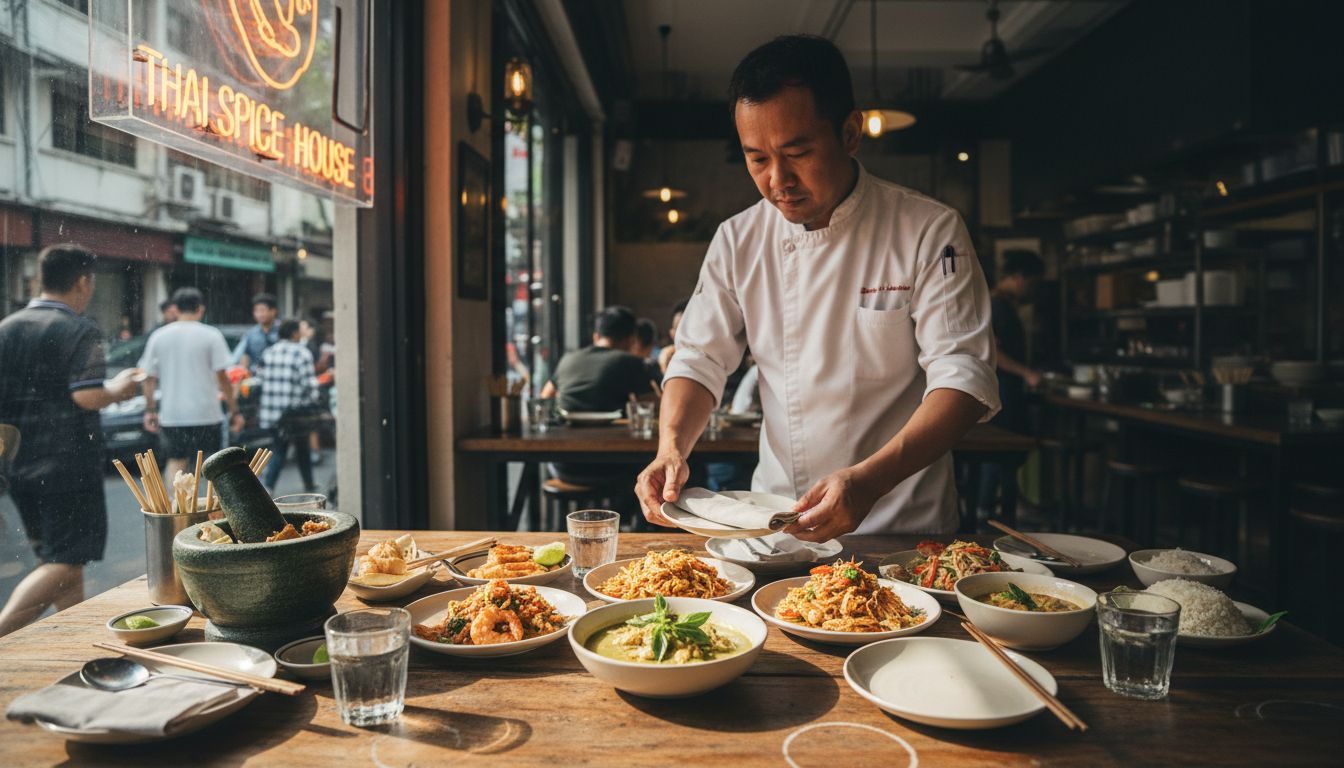
Every meal can become extraordinary when the textures are just right. For those in Northwest Las Vegas searching for authentic Thai cuisine, the harmony of crisp, tender, and chewy elements brings each bite to life. Thai culinary traditions purposefully combine contrasting textures—like the crunchy freshness of som tam and the tender noodles in pad thai—to create a dining sensation that goes beyond flavor. Discover how focusing on texture can transform your Thai food experience into something truly memorable.
Table of Contents
Key Takeaways
Point | Details |
Importance of Texture | In Thai cuisine, texture enhances the sensory experience, creating harmonious interactions among dish elements. |
Culinary Techniques | Various cooking methods, like stir-frying and deep-frying, dramatically influence ingredient textures and enhance complexity. |
Balanced Compositions | Successful Thai dishes combine contrasting textures, ensuring that each bite delivers a dynamic range of sensations. |
Common Errors | Key mistakes, such as overcooking or neglecting fresh herbs, can compromise the intended textural experience in Thai cooking. |
Texture’s Meaning in Thai Culinary Tradition
In Thai cuisine, texture represents far more than a simple physical sensation - it’s a deliberate art form that transforms eating into an immersive sensory experience. Thai culinary traditions reveal that texture plays a critical role in creating harmony among multiple dish elements, where the mouthfeel contributes as significantly as flavor and aroma.
Traditional Thai cooking approaches texture through a sophisticated understanding of ingredient preparation and cooking techniques. These methods are designed to create intentional contrasts that engage multiple sensory dimensions:
Crispy elements like deep-fried garnishes
Tender protein preparations
Soft steamed vegetables
Chewy noodle textures
Crunchy fresh herb additions
The deliberate combination of these textures reflects a deeper culinary philosophy rooted in balance and sensory complexity. Historical culinary influences demonstrate how Thai chefs learned to manipulate ingredients through techniques like stewing, baking, grilling, stir-frying, and deep-frying to achieve precise textural outcomes.
Each cooking method transforms ingredients, creating layers of sensory experience that go beyond simple taste. A single dish might include crisp vegetables, silky sauces, and tender proteins - a deliberate orchestration designed to surprise and delight the palate.
Pro tip: When exploring Thai cuisine, pay attention to the textural interplay between different components, not just the flavors.
Distinctive Textures in Popular Thai Dishes
Thai cuisine stands out for its remarkable ability to create complex sensory experiences through carefully crafted textures. Popular Thai dishes showcase an extraordinary range of mouthfeels that transform eating from a simple nutritional act into a multi-dimensional culinary adventure.
Each classic dish presents a unique textural profile that engages diners in unexpected ways:
Som tam: Crisp, fresh green papaya with crunchy peanuts
Pad thai: Tender rice noodles with chewy protein elements
Thai fried rice: Soft grains punctuated by crispy vegetable bits
Green curry: Silky coconut sauce with tender vegetable chunks
Spring rolls: Crackling exterior with smooth interior filling
Traditional Thai fried rice techniques demonstrate the cuisine’s mastery of textural complexity. Chefs deliberately incorporate ingredients that provide contrasting sensations - from the delicate softness of rice grains to the occasional crisp edges created by high-heat cooking methods.
These textural variations are not accidental but intentional culinary strategies. By combining different mouthfeels within a single dish, Thai cuisine creates a dynamic eating experience that keeps diners continuously engaged and surprised.
Pro tip: When enjoying Thai dishes, take a moment to appreciate the intentional textural interplay in each bite.
How Ingredients and Techniques Shape Texture
Thai cuisine’s extraordinary textural complexity emerges from an intricate dance between carefully selected ingredients and precise cooking techniques. Thai culinary ingredients transform ordinary meals into sensory experiences through deliberate manipulation of mouthfeel and consistency.
Key ingredients play crucial roles in texture development:
Fresh herbs: Add crisp, bright elements
Tropical fruits: Provide natural softness and juiciness
Seafood: Contribute tender, delicate textures
Coconut milk: Creates smooth, creamy foundations
Fish sauce and lime: Enhance without altering texture
Cooking methods are equally instrumental in shaping texture. Rice preparation techniques demonstrate the precision required - from fluffy jasmine rice that remains light and separated to sticky rice designed for specific northern dishes. Chefs carefully control variables like water ratios, soaking times, and cooking temperatures to achieve exact textural profiles.
The selection of cooking methods - stir-frying, steaming, deep-frying - allows chefs to either preserve natural ingredient textures or deliberately transform them. A quick stir-fry maintains vegetable crunchiness, while prolonged steaming can create tender, melt-in-your-mouth experiences.
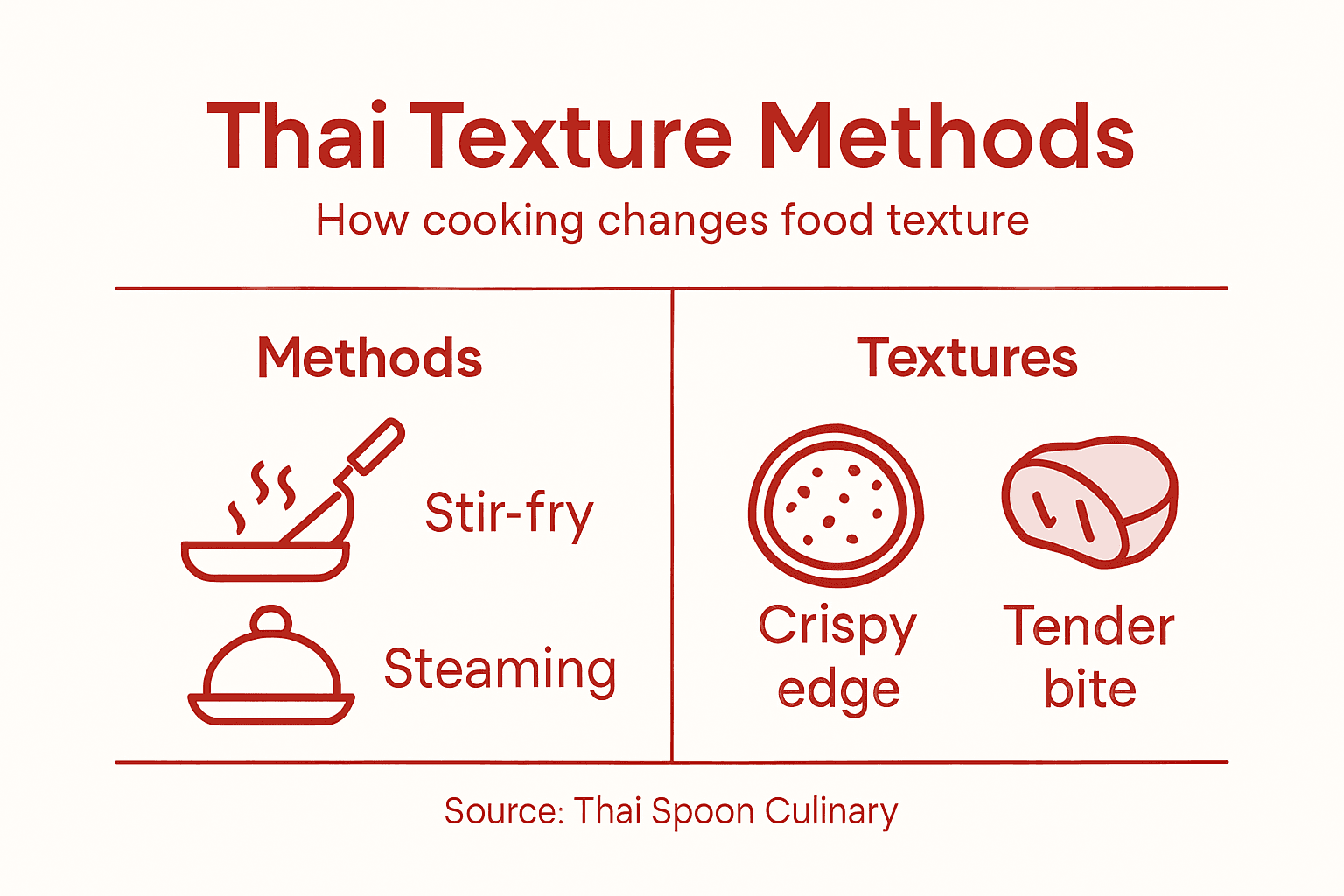
Here’s a summary of how Thai cooking methods affect texture in popular dishes:
Cooking Method | Textural Outcome | Example Dish | Culinary Benefit |
Stir-frying | Maintains vegetable crunch | Pad Thai | Vibrant, fresh mouthfeel |
Steaming | Creates tender softness | Green Curry | Juicy, melt-in-your-mouth |
Deep-frying | Adds crispiness | Spring Rolls | Textural contrast, excitement |
Grilling | Develops chewy bite | Grilled Seafood | Enhanced complexity |
Baking | Offers layered texture | Thai Baked Cakes | Sophisticated flavor synergy |
Pro tip: Experiment with different cooking techniques to understand how they dramatically change ingredient textures.
Balancing Texture With Flavor and Freshness
Thai cuisine represents a masterful symphony of sensory experiences, where mouthfeel interplays with flavor complexity. Each dish becomes a carefully orchestrated balance of textures that complement and enhance the vibrant taste profile.
The fundamental principles of textural balance include:
Contrasting elements: Crisp vegetables against creamy sauces
Complementary mouthfeels: Chewy noodles with crunchy garnishes
Sensory diversity: Smooth, rough, tender, and crisp components
Fresh ingredient integration: Raw herbs maintaining textural integrity
Temperature variations: Warm proteins with cool, crisp salads
Thai cooking techniques demonstrate remarkable precision in maintaining ingredient textures. A coconut curry might feature tender chicken nestled among crisp bell peppers, while a pad thai balances soft noodles with crunchy peanuts and fresh lime-induced brightness.
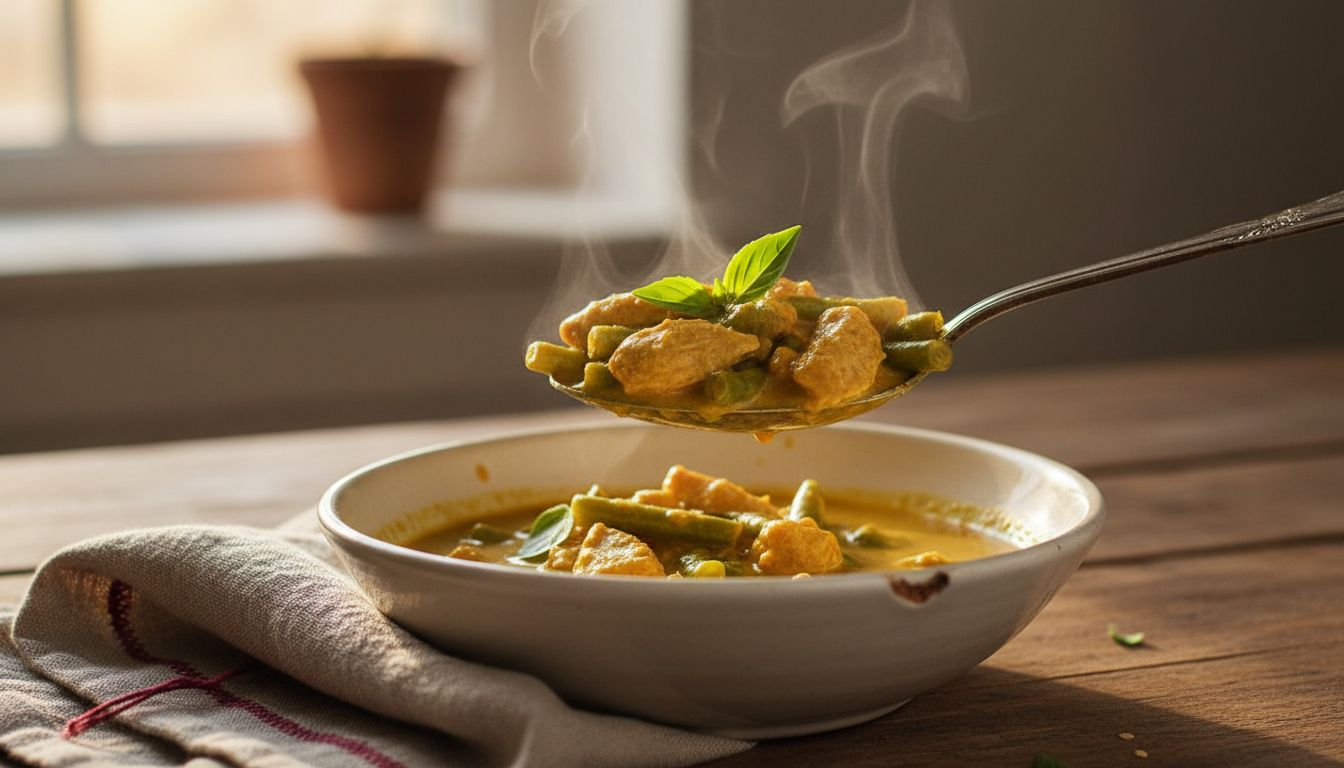
This intentional textural choreography ensures that each bite delivers multiple sensations. The interplay between smooth, crisp, chewy, and tender elements creates a dynamic eating experience that engages all parts of the palate, transforming a simple meal into a complex culinary journey.
Pro tip: Pay attention to the textural layers in your next Thai dish - notice how each bite tells a different sensory story.
Common Mistakes When Pursuing Thai Texture
Thai culinary traditions reveal several critical errors that home cooks and aspiring chefs frequently make when attempting to replicate authentic Thai textures. Understanding these mistakes can dramatically improve the sensory quality of your dishes.
Common texture-related mistakes include:
Overcooking ingredients: Destroying natural crispness and freshness
Incorrect rice preparation: Using wrong varieties or water ratios
Improper frying techniques: Creating soggy or burnt components
Neglecting fresh herbs: Undermining textural complexity
Ignoring cooking temperatures: Compromising ingredient integrity
Rice texture techniques demonstrate how precise measurements and cooking methods dramatically impact dish quality. For instance, jasmine rice requires different handling compared to sticky rice, with water ratios and cooking times playing crucial roles in achieving the desired mouthfeel.
The most significant error is treating Thai cooking as a one-size-fits-all approach. Each ingredient demands specific attention, whether it’s maintaining the delicate crunch of vegetables or ensuring the tender softness of proteins. Successful Thai cooking requires an understanding that texture is not an afterthought, but a fundamental aspect of culinary artistry.
Compare Thai texture mistakes and corrective strategies:
Common Mistake | Impact on Texture | Correction Strategy |
Overcooking foods | Loss of crunch, mushy feel | Use precise cooking times |
Wrong rice variety | Inconsistent grain texture | Select rice for the dish |
Soggy frying | Greasy, limp crust | Control oil temp, drain well |
Skipping fresh herbs | Dull mouthfeel, less vibrancy | Add herbs just before serving |
Pro tip: Practice individual ingredient techniques before attempting complex Thai dishes to master textural nuances.
Experience the Perfect Texture in Every Thai Spoon Bite
Mastering the intricate textures that make Thai cuisine so memorable can be a challenge. From the crisp freshness of herbs to the tender silkiness of coconut milk sauces, achieving that balance is essential. If you find yourself wanting to enjoy authentic Thai dishes that showcase these carefully crafted textures without the hassle of overcooking or soggy results, you will appreciate what we offer.
At Thai Spoon Las Vegas, we bring the authentic textures and vibrant flavors directly to your table with every dish. Whether you crave the crunchy freshness of Pad Thai, the silky richness of Yellow Curry, or the satisfying layers of our Steak Fried Rice our menu is designed to highlight the perfect mouthfeel with every bite. Skip the guesswork and experience the genuine textural harmony that defines Thai cooking. Order now for pickup or delivery and taste the difference of expert preparation at Thai Spoon Las Vegas today.
Frequently Asked Questions
What role does texture play in Thai cuisine?
Texture in Thai cuisine enhances the sensory experience of eating, contributing to the overall enjoyment alongside flavor and aroma. It involves a sophisticated combination of contrasting elements that engage multiple senses.
How do cooking techniques affect the texture of Thai dishes?
Cooking techniques such as stir-frying, deep-frying, steaming, and grilling are essential in shaping the texture of Thai dishes. Each method is chosen to create specific mouthfeels, from maintaining crispness to achieving tenderness.
What are some common textures found in popular Thai dishes?
Popular Thai dishes showcase a variety of textures, including crispy, tender, soft, chewy, and crunchy elements. Examples include crispy spring rolls, tender noodles in Pad Thai, and soft coconut sauce in green curry.
How can I improve the texture of my homemade Thai dishes?
Improving texture in homemade Thai dishes can be achieved by avoiding overcooking ingredients, selecting the right rice variety, using proper frying techniques, and incorporating fresh herbs at the right time to maintain their crunch and vibrancy.
Recommended
Comments