


Thai Dessert Options Explained: Flavor, Tradition, and Local Tips
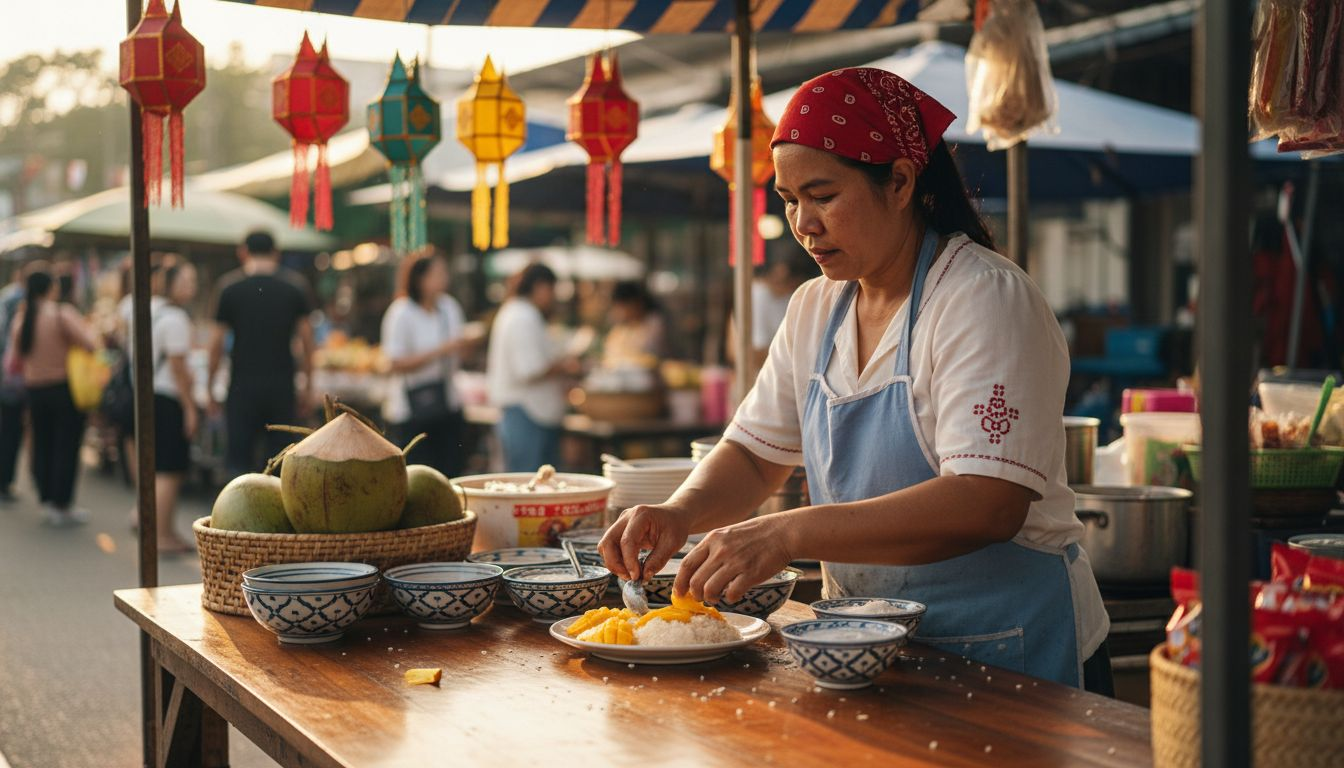
Craving something beyond the usual dessert fare after a flavorful meal at Thai Spoon or planning a special occasion in northwest Las Vegas? Thai desserts offer a rich blend of cultural heritage and unique flavors that bring a sense of history and artistry to every bite. Whether you are seeking authentic mango sticky rice or exploring new coconut treats, you can experience a sweet tradition rooted in generations of local wisdom and creative culinary fusion.
Table of Contents
Key Takeaways
Point | Details |
Cultural Significance | Thai desserts reflect centuries of cultural exchange, showcasing a blend of influences and culinary innovation. |
Core Ingredients | Common elements include coconut milk, local sweeteners, and meticulous preparation methods that define their unique flavor profiles. |
Allergen Awareness | Understanding potential allergens is crucial; diners should communicate dietary restrictions to ensure safe choices. |
Exploration Tips | To fully enjoy Thai desserts, try classic options, appreciate their presentation, and ask for seasonal specials at local restaurants. |
Defining Thai Desserts and Cultural Roots
Thai desserts represent far more than just sweet treats - they are living historical artifacts that capture centuries of cultural exchange and culinary innovation. Traditional Thai dessert culture reflects an intricate blend of influences from neighboring countries, indigenous traditions, and global interactions that make these delicacies truly unique.
At the core of Thai dessert traditions are fundamental ingredients and techniques that have been passed down through generations. Most Thai desserts share several characteristic elements:
Coconut milk as a primary ingredient
Delicate balance between sweet and subtle flavors
Intricate preparation methods requiring significant skill
Usage of local ingredients like rice flour, palm sugar, and tropical fruits
Historically, Thai desserts emerged from a complex cultural landscape where food preparation was deeply intertwined with spiritual and social practices. In southern Thailand, for instance, desserts were not merely culinary creations but symbolic representations of community connections and religious traditions.
The evolution of Thai desserts demonstrates remarkable adaptability. While maintaining core traditional techniques, these sweet delicacies have gracefully incorporated global culinary trends without losing their authentic character. This ability to preserve cultural identity while embracing innovation makes Thai desserts a fascinating culinary art form.
Pro tip: When exploring Thai desserts, start with classic options like mango sticky rice to understand the fundamental flavor profiles and preparation techniques.
Popular Thai Desserts in Las Vegas
Las Vegas offers a surprising and delightful array of authentic Thai desserts that capture the essence of traditional Southeast Asian sweets. Las Vegas dessert venues showcase an impressive range of Thai-inspired treats that blend traditional recipes with modern culinary presentation.
Some of the most popular Thai desserts you’ll encounter in Las Vegas include:
Mango Sticky Rice (Khao Niew Mamuang)
Fresh ripe mango slices
Coconut-infused glutinous rice
Sweet coconut cream drizzle
Coconut Ice Cream (Itimกะทิ)
Creamy coconut base
Tub Tim Grob (Crispy Water Chestnuts)
Ruby-red crispy water chestnuts
Coconut milk syrup
Khanom Buang (Thai Crepes)
Thin crispy pancakes
Sweet meringue filling
The beauty of Thai desserts lies in their remarkable balance of flavors - simultaneously sweet, salty, and refreshing. Unlike Western desserts that often rely on heavy sugar content, Thai sweets create complexity through intricate ingredient combinations and delicate preparation techniques.
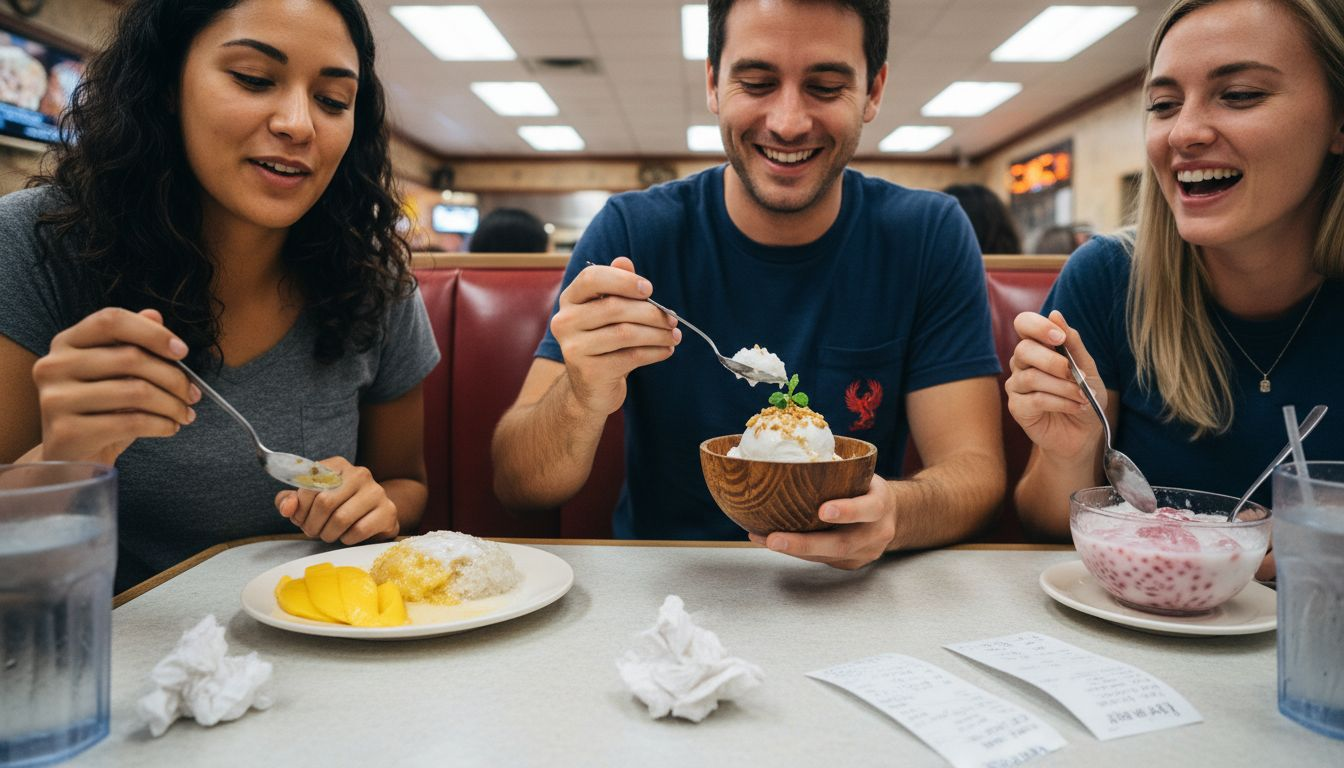
Many Las Vegas Thai restaurants have elevated these traditional desserts, presenting them with artistic flair while maintaining authentic flavor profiles. The presentation often becomes as important as the taste, transforming these treats into visual experiences that delight both the palate and the eyes.
Here’s a quick comparison of classic Thai desserts and their standout characteristics found in Las Vegas:
Dessert Name | Signature Ingredient | Texture Experience | Visual Appeal |
Mango Sticky Rice | Ripe mango plus coconut | Chewy rice, creamy sauce | Bright colors, neat slices |
Coconut Ice Cream | Pure coconut milk | Smooth, cool, rich | White, often garnished |
Tub Tim Grob | Water chestnuts | Crisp, soft, syrupy | Red jewels in coconut cream |
Khanom Buang | Rice flour, meringue | Crunchy and airy | Golden pancakes with filling |
Pro tip: Request the dessert recommendations from your server, as many Thai restaurants offer seasonal or chef-special dessert variations not listed on standard menus.
Unique Ingredients and Flavor Profiles
Thai desserts are renowned for their extraordinary complexity, built upon a foundation of carefully selected ingredients that transform simple components into culinary masterpieces. Thai dessert ingredients reveal a profound connection between local agriculture, cultural traditions, and gastronomic artistry.
The core ingredients that define Thai dessert flavor profiles include:
Coconut (multiple forms)
Young coconut meat
Mature coconut milk
Coconut cream
Natural Sweeteners
Palm sugar
Coconut sugar
Refined cane sugar
Starch Base Ingredients
Glutinous rice flour
Tapioca flour
Rice flour
Aromatic Enhancers
Pandan leaves
Jasmine essence
Tropical fruit extracts
The magic of Thai desserts lies in their intricate balance of flavors and textures. Unlike Western sweets that often rely on pure sugar content, Thai desserts create depth through nuanced ingredient combinations that engage multiple taste sensations simultaneously.
Modern culinary research demonstrates how these ingredients do more than simply taste good. Specific sugar compositions and ingredient selections can influence everything from glycemic responses to overall sensory experience, making Thai desserts not just treats, but complex nutritional experiences.
Pro tip: When sampling Thai desserts, taste slowly and deliberately to appreciate the subtle layered flavors and textural variations in each bite.
Dietary Needs and Allergen Awareness
Navigating Thai desserts requires careful attention to dietary restrictions and potential allergens. Thai food allergen management has become increasingly sophisticated, with manufacturers and restaurants developing more transparent approaches to ingredient disclosure and safety.
Common allergens frequently found in Thai desserts include:
Nut-Based Ingredients
Cashews
Peanuts
Coconut (technically a tree nut)
Dairy and Egg Components
Coconut milk
Condensed milk
Egg-based custards
Potential Gluten Sources
Rice flour
Wheat-based thickeners
Modified starches
For individuals with specific dietary concerns, communication is key. Most Thai restaurants in Las Vegas are willing to provide detailed ingredient information and can often modify desserts to accommodate various dietary needs. Some desserts naturally align with specific dietary restrictions, such as vegan or gluten-free options.
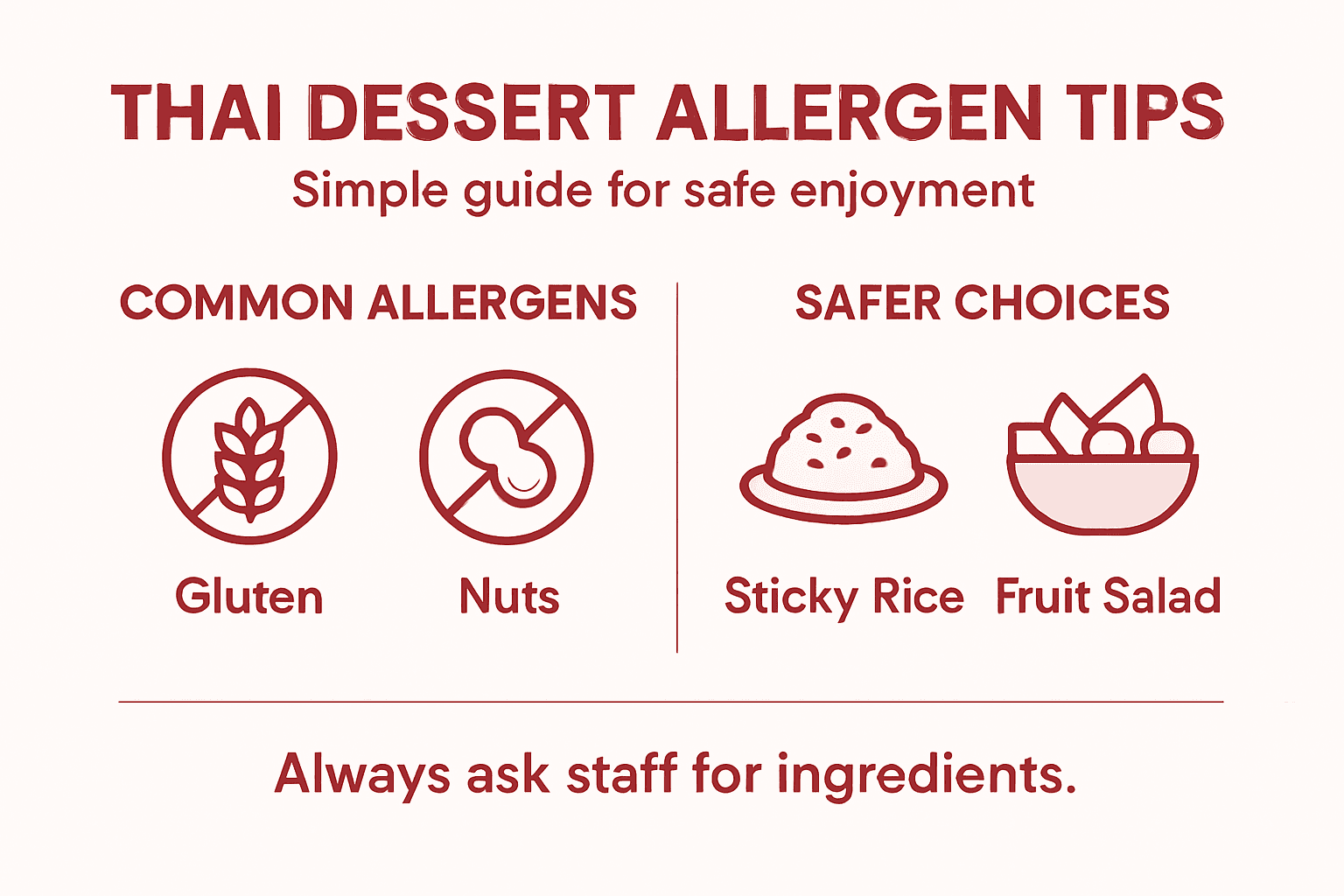
Clinical research highlights the importance of understanding the nutritional impact of traditional sweets. Glycemic indices can vary significantly, making it crucial for individuals managing conditions like diabetes to approach Thai desserts with informed moderation.
Pro tip: Always communicate your dietary restrictions directly with restaurant staff and request detailed ingredient information before ordering.
To further guide your dessert exploration, here’s a summary of allergen risks and suitable options:
Allergen Concern | Common Sources | Safer Dessert Choices | Communication Advice |
Nuts (tree/ground) | Cashew, peanut, coconut | Coconut ice cream (check prep) | Ask for nut-free desserts |
Dairy and egg | Condensed milk, custards | Mango sticky rice (no dairy) | Request vegan versions |
Gluten | Wheat thickeners | Tub Tim Grob, Khanom Krok | Confirm rice-based ingredients |
Tips for Enjoying Thai Desserts Locally
Exploring Thai desserts in Las Vegas offers an exciting culinary adventure for food enthusiasts seeking authentic flavors and unique experiences. Thai dessert exploration requires an adventurous palate and willingness to discover traditional sweet delicacies that go beyond typical American dessert expectations.
To maximize your Thai dessert experience, consider these strategies:
Classic Must-Try Desserts
Mango Sticky Rice (Khao Niew Mamuang)
Tub Tim Krob (Crispy Ruby)
Kanom Krok (Coconut Pancakes)
Kanom Tuay (Steamed Coconut Pudding)
Sensory Exploration Techniques
Notice texture variations
Appreciate visual presentation
Compare flavor complexity
Sample multiple dessert styles
Local Thai restaurants in the Las Vegas area often provide nuanced interpretations of traditional desserts, blending classic recipes with contemporary culinary techniques. This approach allows diners to experience both authentic flavors and innovative presentations that highlight the rich cultural heritage of Thai sweets.
Successful Thai dessert enjoyment involves understanding that these treats are not merely sugary confections but complex culinary art forms. Each dessert tells a story of regional ingredients, cultural traditions, and generations of refined cooking techniques.
Pro tip: Ask your server for seasonal or chef-recommended dessert specials that might not appear on the standard menu.
Discover Authentic Thai Dessert Flavors at Thai Spoon Las Vegas
If you are fascinated by the rich traditions and complex flavor profiles of Thai desserts, you deserve an authentic experience that captures these delights just as the article describes. At Thai Spoon Las Vegas, we specialize in bringing classic Thai dishes to the northwest Las Vegas community, including carefully crafted traditional desserts that highlight coconut, palm sugar, and local tropical flavors. Our menu respects the delicate balance of sweetness and texture while accommodating vegan and gluten-free preferences, addressing the dietary concerns discussed in the article.
Taste the cultural roots and craftsmanship behind every bite by visiting Thai Spoon Las Vegas, where you can order online for pickup or delivery. Whether you want to savor Mango Sticky Rice after a savory Pad Thai or enjoy a refreshing Coconut Ice Cream, we offer a genuine Thai culinary journey away from the tourist crowds. Start exploring our authentic menu and enjoy special lunch and happy hour deals today by visiting our main site or contacting us to learn about catering and group reservations. Taste tradition with convenience now.
Frequently Asked Questions
What are the key ingredients in Thai desserts?
Most Thai desserts feature ingredients like coconut milk, palm sugar, glutinous rice, and tropical fruits. These components create a unique flavor profile that balances sweetness and subtlety.
How do Thai desserts differ from Western desserts?
Thai desserts often rely on a delicate balance of flavors rather than heavy sugar content, utilizing ingredients like coconut and rice flour to offer complexity and texture. They are typically lighter and more refreshing than their Western counterparts.
What are some must-try traditional Thai desserts?
Some popular traditional Thai desserts include Mango Sticky Rice, Tub Tim Grob, Coconut Ice Cream, and Khanom Buang. Each has its own unique combination of flavors and textures that reflect Thai culinary heritage.
How can I enjoy Thai desserts if I have dietary restrictions?
When enjoying Thai desserts, communicate your dietary needs to the restaurant staff. Many desserts can be modified, and there are naturally vegan or gluten-free options available, such as Mango Sticky Rice or Tub Tim Grob.
Recommended
Comments