





What Is Thai Soup Base and Why Flavor Matters
- mail469793
- Dec 12, 2025
- 9 min read
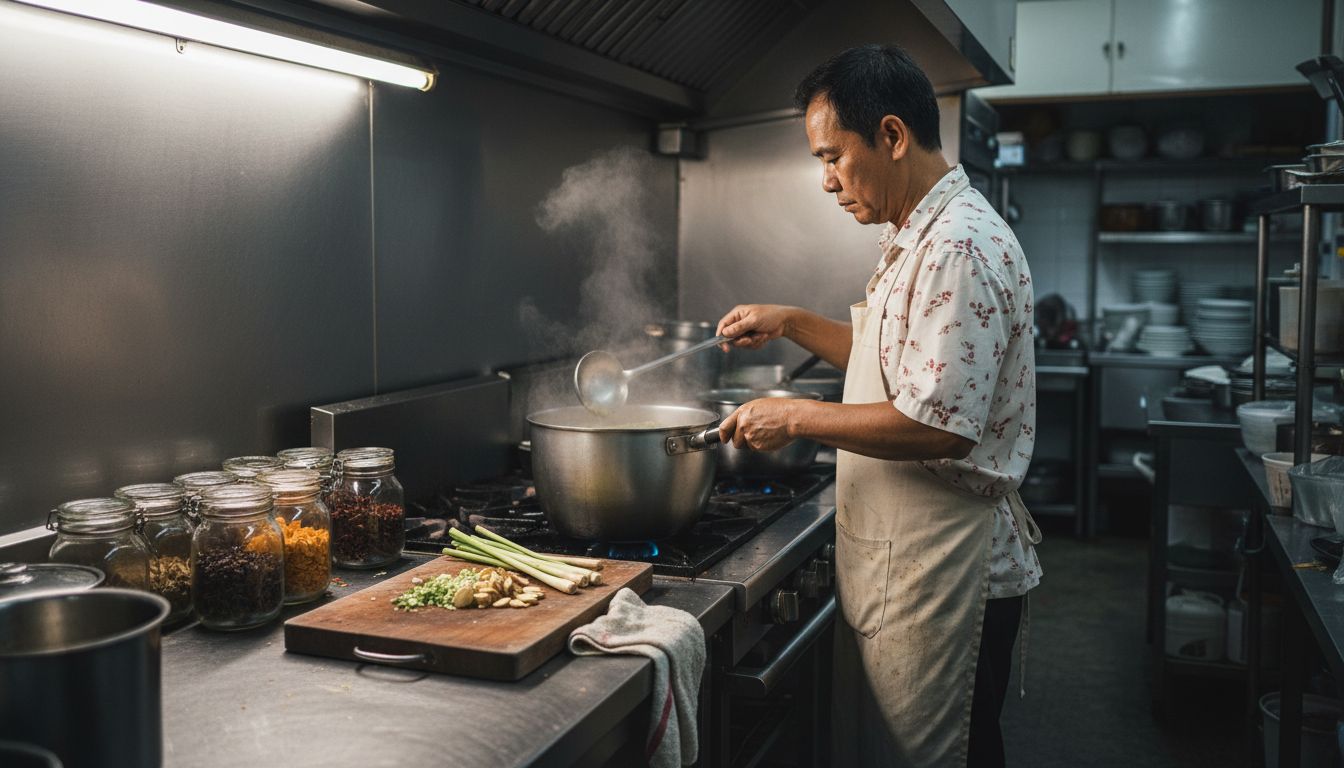
Most American home cooks are surprised to learn that the secret behind Thailand’s most famous dishes lies in the soup base. While many recipes focus on main ingredients, the rich blend of herbs and aromatics found in a Thai soup base makes all the difference. Understanding this foundation is key, as it unlocks the layered flavors, complex aromas, and vibrant character that set Thai cuisine apart from standard American fare.
Table of Contents
Key Takeaways
Point | Details |
Understanding Thai Soup Base | A Thai soup base is a complex blend of herbs, spices, and broth that creates a balanced flavor experience, essential for great Thai cuisine. |
Key Ingredients | Core ingredients like lemongrass, galangal, and kaffir lime leaves are crucial for depth and complexity in flavor. |
Flavor Balancing | The interplay of spiciness, sourness, and sweetness in Thai soup bases results in a unique culinary experience, setting it apart from Western soups. |
Adaptability | Thai soup bases can be creatively adapted for vegan and gluten-free needs while maintaining authentic flavors and satisfying textures. |
Defining Thai Soup Base and Its Role
Thai soup base represents the fundamental flavor foundation that transforms ordinary ingredients into extraordinary culinary experiences. At its core, a Thai soup base is a complex blend of aromatic herbs, spices, and liquid ingredients designed to create a harmonious balance of taste sensations. Tom Yum soup exemplifies this intricate flavor profile, demonstrating how carefully selected ingredients can produce a symphony of spiciness, sourness, saltiness, and sweetness.
The traditional Thai soup base typically starts with a liquid foundation - usually a carefully prepared broth or stock - that serves as a canvas for layering intense flavor combinations. Signature ingredients like lemongrass, galangal, and kaffir lime leaves are not mere additives but essential components that infuse depth and complexity into every spoonful. These aromatics work together to create a sensory experience that goes beyond simple sustenance, transforming each dish into a narrative of Thai culinary heritage.
Unique characteristics of a Thai soup base include its remarkable ability to balance contrasting flavor profiles. Unlike Western soup preparations that might focus on a single dominant taste, Thai cuisine celebrates the interplay between different taste elements. This approach means that a single spoonful can simultaneously activate multiple taste receptors - delivering heat from chilies, brightness from citrus, umami from proteins, and subtle sweetness from carefully selected herbs. The result is a dynamic, multidimensional eating experience that reflects the sophisticated approach of Thai cooking traditions.
For food enthusiasts and home cooks alike, understanding the intricate composition of a Thai soup base opens up a world of culinary exploration. By mastering the delicate balance of ingredients and techniques, anyone can recreate the vibrant, complex flavors that make Thai cuisine so internationally renowned. Whether you’re preparing a classic Tom Yum or experimenting with your own variations, the soup base remains the critical foundation that transforms simple ingredients into an extraordinary gastronomic journey.
Common Ingredients in Thai Soup Bases
Thai soup bases represent a complex symphony of flavors, carefully crafted through a strategic selection of herbs, spices, and aromatics. Traditional Thai ingredients form the foundation of these incredibly nuanced broths, creating a sensory experience that goes far beyond simple nutrition. The core components typically include powerhouse aromatics like lemongrass, galangal, and kaffir lime leaves, each contributing unique characteristics that elevate the entire dish.
The protein selection plays a crucial role in developing depth and complexity within Thai soup bases. Proteins such as shrimp, chicken, and tofu are not merely added for sustenance but serve as flavor conductors that interact with the herbal and spice elements. Classic preparations often incorporate additional foundational ingredients like onions, garlic, and celery, which provide a robust underlying structure that supports the more exotic flavor profiles. These components work in harmony to create a balanced and intricate culinary experience that distinguishes Thai cuisine from other regional cooking styles.
Spice and heat management represents another critical aspect of crafting exceptional Thai soup bases. Thai chilies serve as a primary mechanism for introducing controlled heat, while ingredients like minced lemongrass contribute brightness and citrusy undertones. The delicate art of balancing these elements requires significant skill, with chefs carefully calibrating the proportions to achieve a perfect equilibrium between spiciness, acidity, and aromatic complexity. Each ingredient plays a specific role, transforming what could be a simple broth into a multilayered gastronomic narrative.

Understanding the intricate composition of Thai soup bases opens up a world of culinary exploration for home cooks and professional chefs alike. The remarkable diversity of ingredients allows for endless variations, ensuring that no two Thai soups are ever precisely the same. From the coastal regions to inland provinces, each area contributes its unique twist to these beloved culinary preparations, making Thai soup bases a true reflection of the country’s rich and dynamic food culture.
Popular Types of Thai Soup Base Variations
Thai cuisine offers an extraordinary range of soup base variations, each representing a unique culinary tradition with distinct flavor profiles and preparation techniques. Thai soup bases demonstrate remarkable diversity in their composition and character, with several standout variations that have gained international recognition. Tom Yum emerges as perhaps the most famous, characterized by its bold hot and sour broth that combines citrusy notes with intense herbal aromatics, creating a complex sensory experience that challenges and delights the palate.
Among the most celebrated variations, Tom Yum can be further subdivided into distinct styles that showcase the nuanced approach of Thai culinary traditions. Tom Yum Nam Sai represents a clear, water-based version that relies on pure herbal infusions, while Tom Yum Nam Khon introduces a richer dimension by incorporating coconut milk or evaporated milk. These variations illustrate the remarkable flexibility of Thai soup bases, where a single foundational concept can be transformed through strategic ingredient modifications.
Additional noteworthy soup base variations include Tom Kha, distinguished by its creamy coconut milk foundation, and Kaeng Jued, a lighter preparation featuring clear broth with glass noodles and vegetables. Each variation tells a unique story of regional ingredients, cooking techniques, and cultural preferences. The delicate balance between heat, sourness, sweetness, and umami defines these soup bases, with chefs carefully calibrating ingredients to achieve a harmonious flavor profile that represents the sophisticated complexity of Thai cuisine.
The beauty of Thai soup bases lies in their adaptability and depth. Home cooks and professional chefs alike can explore these variations, understanding that each soup base is more than a mere liquid foundation - it is a culinary canvas that reflects generations of gastronomic wisdom, local ingredient availability, and the nuanced understanding of flavor interactions that makes Thai cuisine globally celebrated.
How Thai Soup Bases Affect Flavor
Flavor development in Thai cuisine represents a sophisticated culinary art, where each ingredient plays a strategic role in creating a multilayered sensory experience. The intricate combination of herbs and spices transforms simple broths into complex flavor landscapes, with each element carefully selected to achieve a precise balance of taste sensations. Aromatic herbs like lemongrass, galangal, and kaffir lime leaves serve as fundamental flavor conductors, introducing distinctive notes that distinguish Thai soup bases from other culinary traditions.
The remarkable complexity of Thai soup bases stems from their ability to simultaneously engage multiple taste receptors. Spiciness from Thai chilies, sourness from citrus elements, saltiness from fish sauce, and subtle sweetness from ingredients like coconut milk create a harmonious flavor profile that challenges and delights the palate. In dishes like Tom Kha Gai, the inclusion of coconut milk introduces a creamy texture that softens and integrates the more intense herbal and spicy components, demonstrating the nuanced approach to flavor balancing in Thai cuisine.
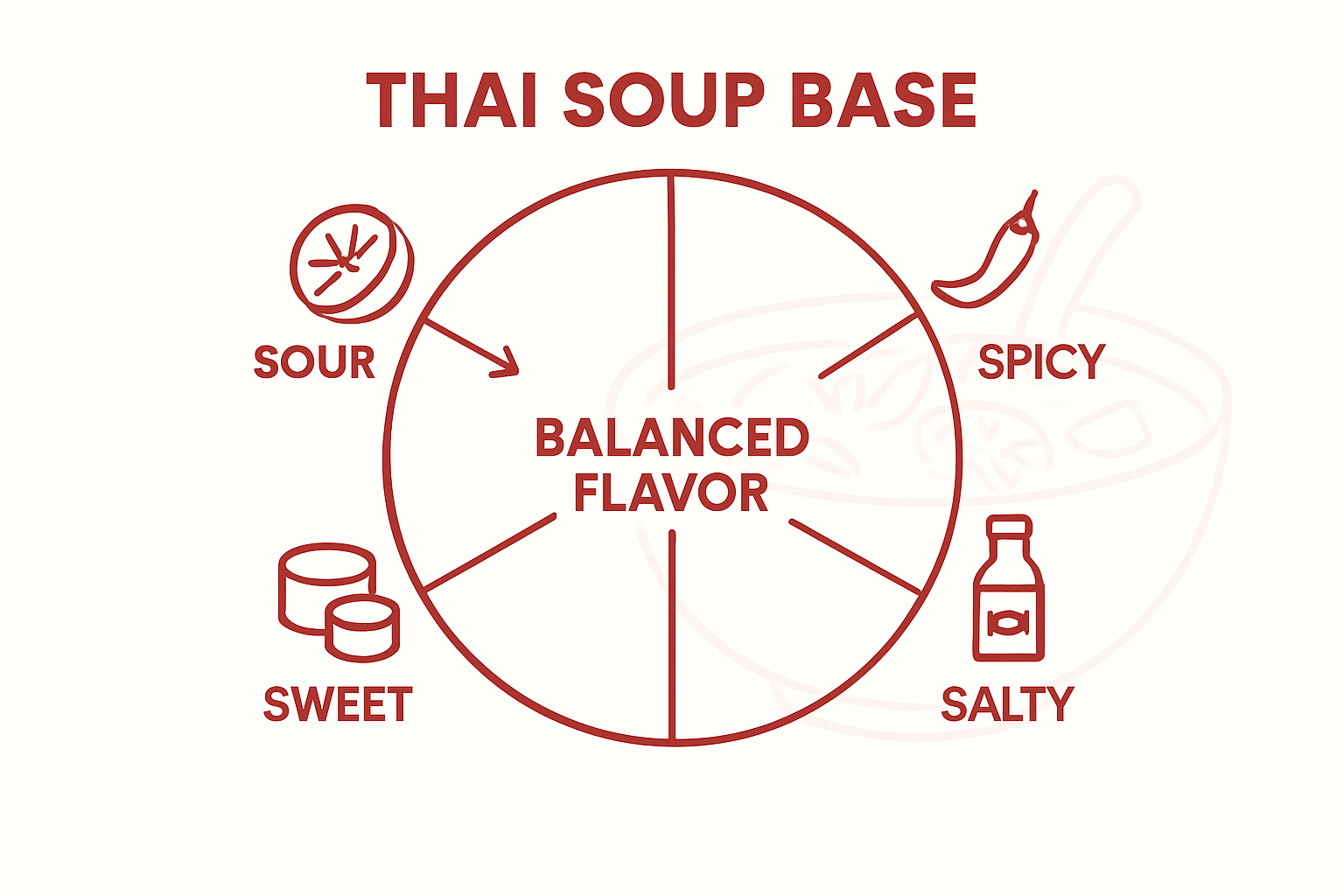
Unique flavor interactions are central to understanding Thai soup bases. Chefs meticulously layer ingredients to create what culinary experts describe as a “flavor symphony” - where no single element dominates, but instead each contributes to a greater sensory narrative. The interplay between heat, acidity, umami, and aromatic complexity allows Thai soup bases to transcend simple sustenance, transforming each dish into a narrative of cultural and culinary expression. Techniques like bruising herbs to release essential oils, carefully timing spice additions, and selecting proteins that complement the base’s fundamental character all contribute to this intricate flavor development.
Ultimately, Thai soup bases reveal a profound understanding of flavor mechanics that goes beyond mere ingredient combination. They represent a culinary philosophy where balance, contrast, and harmony are not just cooking techniques, but an art form that reflects generations of gastronomic wisdom. Whether experiencing a fiery Tom Yum or a creamy Tom Kha, diners are invited to explore a complex flavor journey that challenges preconceived notions of what a soup can be.
Vegan and Gluten-Free Base Options
Modern Thai cuisine has embraced dietary diversity, creating innovative soup base variations that cater to vegan and gluten-free preferences without compromising the authentic flavor profile. Clear soup traditions offer remarkable flexibility for dietary adaptations, demonstrating that traditional recipes can be transformed to accommodate various nutritional requirements. Plant-based ingredients like tofu, mushrooms, and an array of vegetables become powerful flavor conductors, replacing traditional protein sources while maintaining the complex taste experience characteristic of Thai cuisine.
Substituting key ingredients becomes crucial in developing vegan and gluten-free Thai soup bases. Traditional fish sauce can be replaced with tamari or coconut aminos, which provide similar umami depth without animal products. Vegetable broths infused with lemongrass, galangal, and kaffir lime leaves create a robust foundation that mimics the layered flavor complexity of traditional preparations. Proteins like firm tofu, tempeh, and seitan offer substantial texture and nutritional value, ensuring that vegan versions remain satisfying and authentic.
The art of crafting vegan Thai soup bases lies in understanding flavor balance and ingredient interactions. Techniques like carefully bruising herbs, using dried mushroom powders, and incorporating roasted vegetable reductions can intensify umami and create depth traditionally achieved through animal-based ingredients. Gluten-free adaptations often involve replacing wheat-based noodles with rice noodles or spiralized vegetable alternatives, ensuring that texture and mouthfeel remain integral to the dining experience.
Ultimately, vegan and gluten-free Thai soup bases represent more than dietary accommodations - they embody culinary innovation that respects both traditional techniques and contemporary nutritional needs. By embracing versatility and creativity, chefs can craft soup bases that are not just alternatives, but genuine expressions of Thai culinary artistry, inviting everyone to experience the vibrant, complex flavors of this remarkable cuisine.
Discover the True Essence of Thai Soup Bases at Thai Spoon Las Vegas
Understanding the layers of flavor that define a Thai soup base reveals why balance, aroma, and complexity are essential to an unforgettable dining experience. If you have ever wished to taste authentic Tom Yum or Tom Kha that masterfully blends spiciness, sourness, and herbal richness, you know the challenge of finding genuine Thai flavors that respect tradition and dietary needs such as vegan or gluten-free options.
At Thai Spoon Las Vegas, we bring the intricate art of Thai soup bases to your table with dishes crafted from fresh lemongrass, galangal, kaffir lime leaves, and carefully calibrated spices. Whether you crave the bold heat of Tom Yum or the creamy comfort of Tom Kha, our menu reflects the vibrant complexity discussed in “What Is Thai Soup Base and Why Flavor Matters.”
Experience the rich sensory journey you deserve by ordering online for pickup or delivery today. Visit our website to explore authentic dishes that honor the sophisticated flavor principles of Thai cuisine along with convenient vegan and gluten-free choices. Don’t wait to taste the balance and depth that only a true Thai soup base can deliver—check out our full menu and book your table or order now at Thai Spoon Las Vegas.
Frequently Asked Questions
What is a Thai soup base?
A Thai soup base is a blend of aromatic herbs, spices, and liquid ingredients that creates a complex flavor foundation for soups. It typically includes ingredients like lemongrass, galangal, and kaffir lime leaves, which contribute to the unique taste profile of Thai cuisine.
How do I create a balanced Thai soup base?
To create a balanced Thai soup base, focus on layering flavors through herbs, spices, and proteins. Incorporate key elements like sweetness, spiciness, sourness, and saltiness. Carefully measure and adjust ingredients such as fish sauce, chilies, and citrus juices to achieve a harmonious flavor profile.
What are some common ingredients found in Thai soup bases?
Common ingredients in Thai soup bases include lemongrass, galangal, kaffir lime leaves, chili peppers, garlic, and various proteins like shrimp, chicken, or tofu. These ingredients work together to create a rich and flavorful broth.
Can I make a vegan version of a Thai soup base?
Yes, a vegan version of a Thai soup base is possible by substituting traditional ingredients. For instance, replace fish sauce with tamari or coconut aminos, and use vegetable broth combined with aromatics like lemongrass and galangal. Ingredients like tofu and mushrooms can replace traditional proteins, maintaining depth and flavor.
Recommended
Comments