


What is Thai steak fried rice? Discover authentic 2026 guide
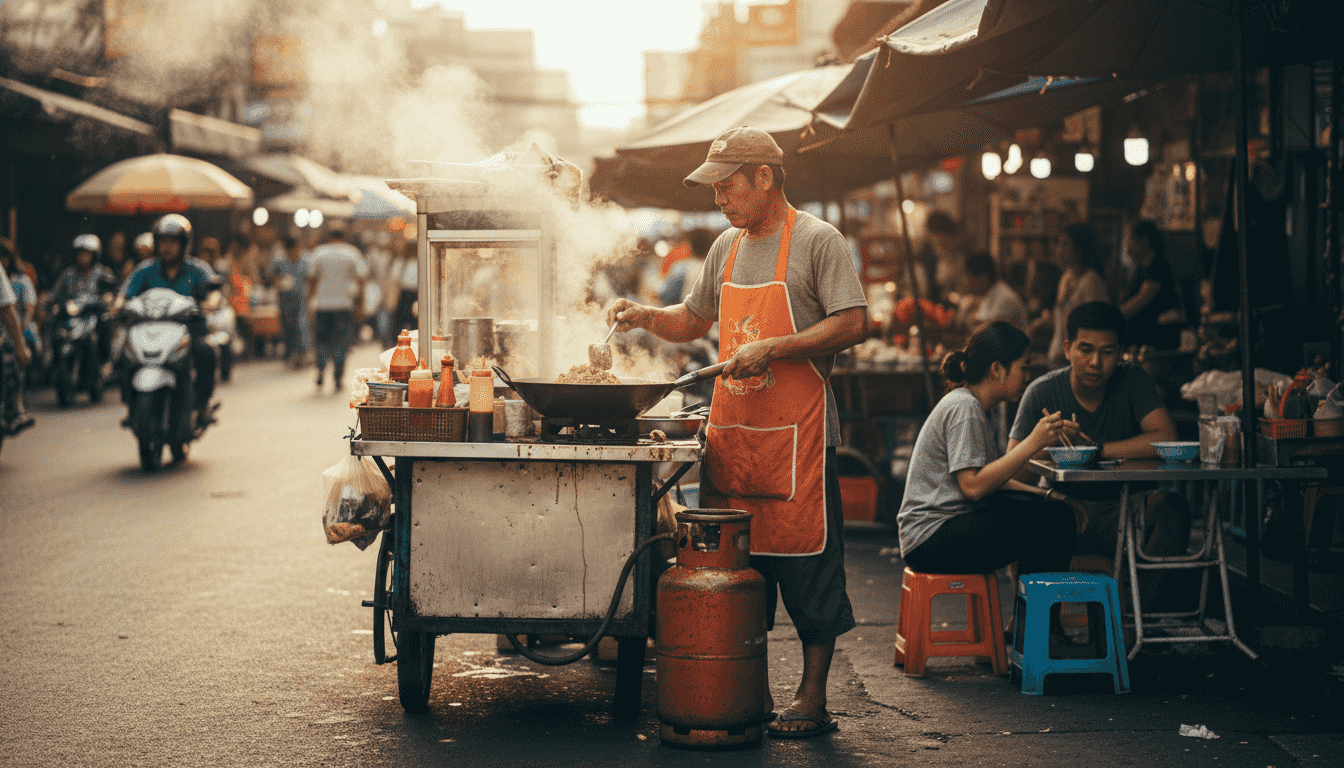
You’ve likely heard Thai steak fried rice is always fiery hot, but that’s not quite true. This traditional Thai dish offers balanced flavors with adjustable spice levels, making it accessible to many palates. Understanding what makes it authentic helps you recognize and enjoy the real thing, especially when exploring northwest Las Vegas dining options.
Table of Contents
Key takeaways
Point | Details |
Definition and origin | Thai steak fried rice is a traditional street food dish featuring marinated steak with jasmine rice, cooked using high-heat wok techniques for distinctive smoky flavor |
Core ingredients | Essential components include Thai Hom Mali jasmine rice, marinated steak with Thai seasonings, fish sauce, and aromatics like garlic and shallots |
Cooking technique | Authentic preparation requires wok temperatures above 450°F to achieve ‘wok hei,’ the signature smoky, charred flavor crucial to the dish |
Spice misconceptions | Spiciness is adjustable and often mild by default, not inherently fiery hot as commonly believed |
Local authenticity markers | Look for restaurants emphasizing traditional ingredients, wok cooking methods, and balanced flavor profiles when seeking genuine Thai steak fried rice |
Introduction to Thai steak fried rice
Thai steak fried rice represents more than just rice and meat tossed together. This dish emerged from Thailand’s vibrant street food culture and home cooking traditions, where cooks transformed simple ingredients into flavorful, satisfying meals. The preparation features marinated steak combined with fragrant jasmine rice, creating a balanced harmony of savory, aromatic, and subtly spicy notes.
This dish holds cultural significance as everyday comfort food throughout Thailand. Families and street vendors alike prepare it regularly, adjusting flavors to match individual preferences. Unlike generic fried rice preparations, authentic Thai steak fried rice follows specific techniques and ingredient combinations that distinguish it from fusion interpretations.
The dish’s versatility makes it appealing across different occasions. You can enjoy it as a quick lunch, hearty dinner, or late-night meal. Thai cooks traditionally allow diners to control spice levels, adding fresh chilies or chili flakes according to taste rather than building intense heat into the base preparation.
Key characteristics that define authentic Thai steak fried rice include:
Marinated steak cut into bite-sized pieces for quick, even cooking
Day-old jasmine rice that maintains individual grain separation
High-heat wok cooking creating distinctive smoky undertones
Balanced seasoning emphasizing umami depth over extreme spiciness
Fresh aromatics like garlic, shallots, and sometimes Thai basil
Understanding these fundamentals helps you recognize authentic preparations when dining out. The next sections explore the specific ingredients and techniques that bring this beloved Thai dish to life, giving you the knowledge to appreciate and identify genuine versions in your local area.
Core ingredients and flavor profile
Authentic Thai steak fried rice depends on specific ingredients that create its distinctive taste. The use of jasmine rice, specifically Thai Hom Mali variety, contributes essential fragrant aroma and slightly sticky texture. This rice variety differs significantly from long-grain white rice, offering floral notes that complement the savory steak and seasonings.
The marinated steak component adds substantial depth. Thai cooks typically use flank steak or sirloin, marinating it in a mixture of soy sauce, oyster sauce, garlic, and sometimes a touch of sugar. This marinade tenderizes the meat while building complex savory layers. The steak cooks quickly over high heat, maintaining tenderness while developing caramelized edges.
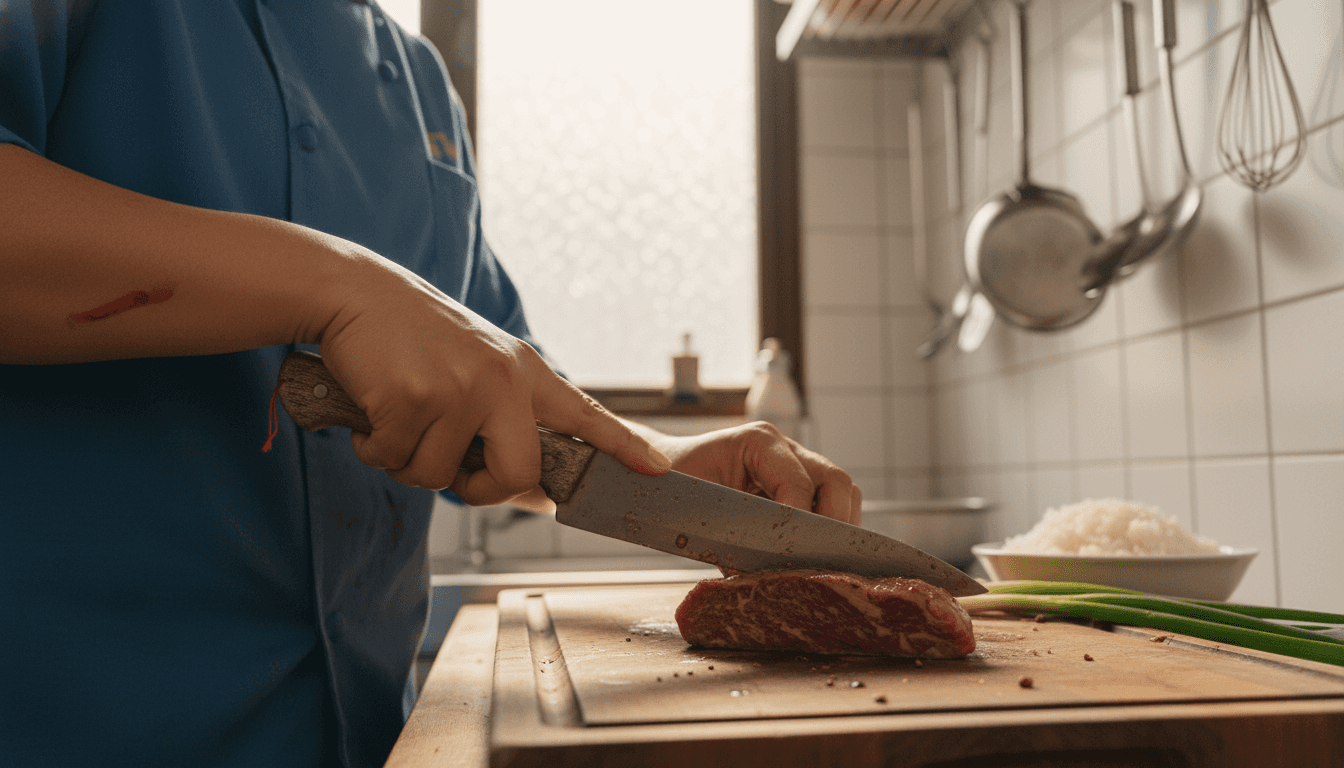
Flavor balance defines this dish more than any single dominant taste. You’ll experience salty notes from fish sauce and soy sauce, umami richness from oyster sauce, aromatic complexity from fresh garlic and shallots, and optional mild heat from white pepper or fresh chilies. This combination creates a rounded, satisfying flavor rather than one that overwhelms your palate.
The following table shows how key ingredients contribute to the overall flavor profile:
Ingredient | Primary Role | Flavor Contribution |
Jasmine rice | Base and texture | Floral aroma, subtle sweetness |
Marinated steak | Protein and richness | Savory depth, umami |
Fish sauce | Seasoning | Salty, fermented complexity |
Oyster sauce | Seasoning | Sweet-savory umami |
Garlic and shallots | Aromatics | Sharp, pungent base notes |
White pepper | Mild spice | Warm, earthy heat |
Spice levels remain adjustable in authentic preparations. Many versions include minimal built-in heat, allowing you to add fresh bird’s eye chilies, dried chili flakes, or nam prik pao (Thai chili paste) according to your preference. This approach respects diverse spice tolerances while maintaining the dish’s fundamental character.
Pro Tip: When choosing Thai rice for cooking at home, look for packages labeled “Hom Mali” or “Thai jasmine rice” with the Thai government’s quality certification seal to ensure you’re getting authentic rice that will deliver the proper texture and aroma.
The ingredient quality directly impacts the final result. Fresh aromatics, properly aged jasmine rice (ideally day-old for fried rice applications), and well-marinated steak separate exceptional versions from mediocre ones. Understanding these components helps you evaluate authenticity when ordering at restaurants or attempting the dish yourself.
Traditional cooking techniques
Authentic Thai steak fried rice requires precise high-heat cooking methods that transform simple ingredients into something extraordinary. Authentic Thai steak fried rice is stir-fried in a very hot wok using the ‘wok hei’ technique, which imparts smoky, charred flavor essential to the dish’s distinct taste. This technique separates genuine preparations from inferior versions cooked on standard stovetops at lower temperatures.
Wok temperatures typically exceed 450°F (230°C) during cooking. This intense heat allows rapid stir-frying that sears ingredients quickly while maintaining moisture and texture. The high temperature creates slight charring on rice grains and steak pieces, developing complex flavor layers impossible to achieve with gentler cooking methods.
The cooking sequence follows a specific order for optimal results:
Heat the wok until smoking, then add oil with high smoke point
Quickly sear marinated steak pieces until just cooked, then remove
Add aromatics like garlic and shallots, stirring for 15 to 20 seconds
Toss in day-old jasmine rice, breaking up clumps rapidly
Create a well in the center for eggs if including them
Return steak to the wok with seasonings
Toss everything together for final 30 to 45 seconds
Finish with fresh herbs or vegetables if desired
This rapid cooking preserves individual ingredient textures while building unified flavor. The entire process takes roughly three to four minutes from start to finish. Longer cooking times risk mushy rice or overcooked steak, compromising the dish’s essential characteristics.
The ‘wok hei’ phenomenon creates distinctive smoky notes that define authentic Thai flavors. This flavor develops through the Maillard reaction and slight caramelization occurring when food contacts the extremely hot wok surface. You can’t replicate this effect with standard pans or lower temperatures, making it a hallmark of genuine preparation.
Pro Tip: When cooking at home, ensure your wok reaches proper temperature before adding ingredients by holding your hand about six inches above the surface. You should feel intense radiating heat. If the wok isn’t hot enough, wait longer rather than starting prematurely, as insufficient heat produces steamed rather than stir-fried results.
Speed matters as much as temperature. Thai cooks work quickly, keeping ingredients moving constantly to prevent burning while ensuring even cooking. This requires preparation of all ingredients beforehand, with everything measured and ready within arm’s reach. The actual cooking happens too fast to stop for measuring or chopping.
Common misconceptions about Thai steak fried rice
Several persistent myths surround Thai steak fried rice, creating confusion for diners seeking authentic experiences. Addressing these misconceptions helps you set appropriate expectations and appreciate the dish’s true character rather than imagined versions.
The spiciness myth tops the list of misunderstandings. Many people assume all Thai food burns intensely, but Thai steak fried rice typically features mild to moderate heat levels by default. Thai cuisine emphasizes balance across five flavor profiles: sweet, sour, salty, bitter, and spicy. Authentic preparations allow diners to adjust spice through condiments rather than building overwhelming heat into the base dish.
Another common confusion involves ingredient assumptions. Some diners expect Thai steak fried rice to include curry paste, coconut milk, or abundant vegetables like bell peppers and broccoli. Traditional versions focus on simplicity, featuring primarily rice, steak, eggs, and aromatics. These fusion additions, while potentially tasty, represent departures from authentic preparation rather than traditional elements.
Key misconceptions to avoid:
Assuming the dish always contains chili paste or extreme spiciness
Expecting heavy sauce or gravy coating the rice
Believing authentic versions include numerous vegetable types
Thinking any fried rice with steak qualifies as Thai steak fried rice
Assuming the dish tastes identical to Chinese or American fried rice
The distinction between authentic and fusion Thai food matters when evaluating Thai steak fried rice. Fusion versions may incorporate ingredients or techniques from other cuisines, creating hybrid dishes that differ substantially from traditional preparations. While fusion interpretations have their place, understanding what constitutes authentic Thai steak fried rice helps you make informed choices.
Flavor balance represents another misunderstood aspect. Rather than emphasizing single dominant tastes, authentic Thai steak fried rice harmonizes multiple flavor elements simultaneously. You should taste savory richness, subtle sweetness, aromatic depth, and gentle spice working together rather than any single overwhelming note. This nuanced approach differs from dishes designed around extreme flavors.
When trying Thai steak fried rice for the first time, start with the dish as prepared by the restaurant before adding condiments. This allows you to experience the intended flavor balance. Then adjust with available condiments like fish sauce, chili flakes, or lime wedges according to your preferences. This approach respects the cook’s vision while accommodating individual tastes.
Comparing Thai steak fried rice to other fried rice dishes
Understanding how Thai steak fried rice differs from other popular Thai fried rice variations helps clarify its unique position. While Thai cuisine offers numerous fried rice options, each version features distinct characteristics that set it apart.
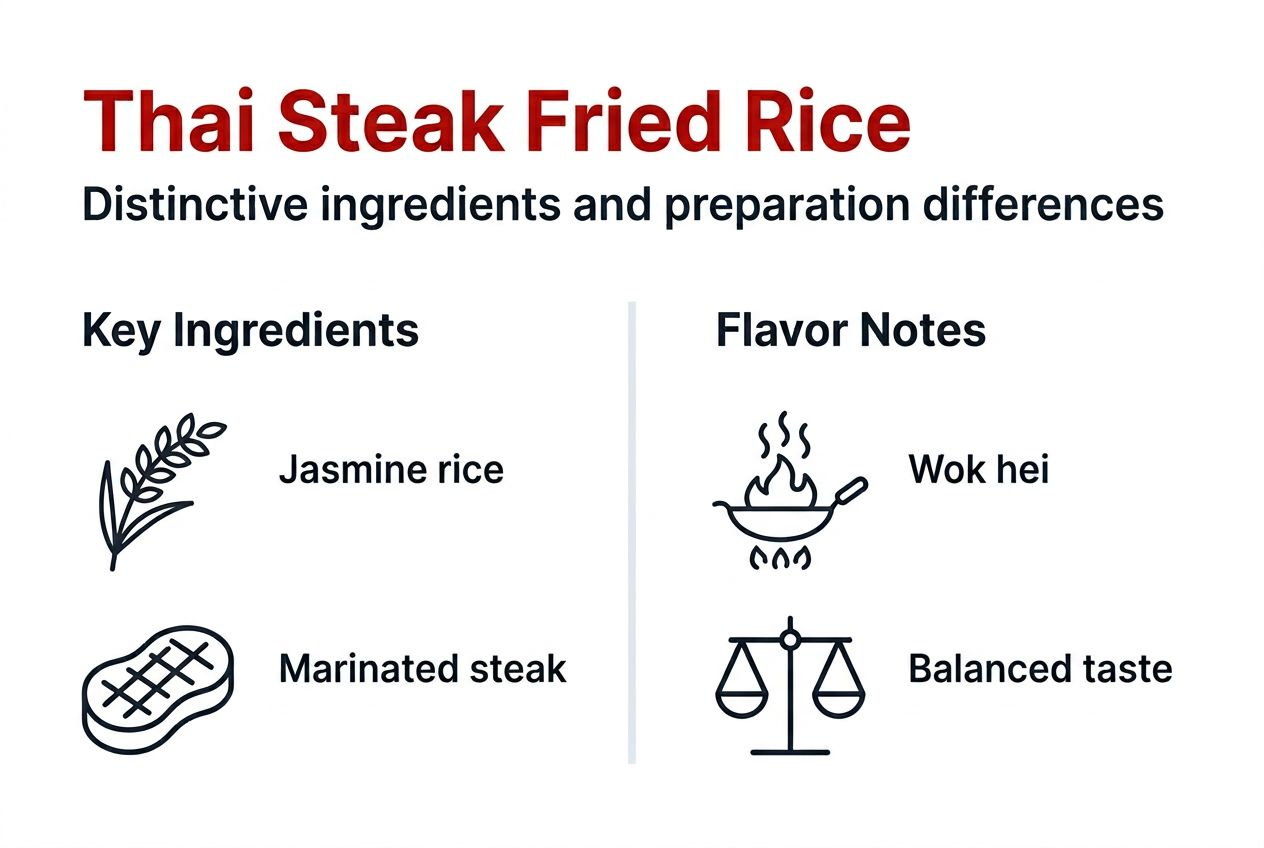
Protein choice and flavor base create the most obvious distinctions. Thai steak fried rice emphasizes marinated beef, while other versions might feature shrimp, chicken, or pork. The seasoning approaches vary significantly, with some versions incorporating curry paste or pineapple for distinctly different flavor profiles.
The following comparison highlights key differences:
Fried Rice Type | Primary Protein | Spice Level | Signature Flavor | Cooking Style |
Thai steak fried rice | Marinated beef | Mild to medium | Savory umami, smoky | High-heat wok |
Pineapple fried rice | Shrimp or chicken | Mild | Sweet-savory, fruity | Moderate heat wok |
Pad krapow fried rice | Ground pork or chicken | Medium to hot | Spicy, basil-forward | High-heat wok |
Crab fried rice | Crab meat | Mild | Delicate, seafood-rich | Gentle wok cooking |
Thai steak fried rice maintains relatively straightforward seasoning compared to more complex variations. Pineapple fried rice includes curry powder, cashews, and fresh pineapple chunks, creating tropical sweetness. Pad krapow fried rice incorporates holy basil and bird’s eye chilies for pronounced heat and herbal notes. These differences mean you’ll have vastly different experiences despite the common fried rice foundation.
Texture also varies among types of Thai rice dishes. Thai steak fried rice features distinct rice grains with tender steak pieces and minimal additional ingredients. Pineapple fried rice includes crunchy cashews and juicy fruit. Crab fried rice offers delicate flakes throughout a more unified texture.
Quick identification tips when ordering:
Thai steak fried rice appears relatively dry with visible beef pieces and minimal sauce
Pineapple fried rice arrives in a hollowed pineapple half at some restaurants with visible yellow curry tint
Spicy basil fried rice shows abundant green basil leaves and often ground meat
Crab fried rice looks lighter in color with white crab meat distributed throughout
Regional variations exist even within Thailand. Southern Thai preparations might include more seafood and spicier profiles. Central Thai versions tend toward balanced, moderate flavors. Northern Thai interpretations sometimes incorporate local herbs and milder seasoning. These regional differences add complexity to understanding what constitutes “authentic” Thai steak fried rice.
When exploring Thai fried rice options, consider your flavor preferences. If you enjoy straightforward savory dishes with meat-forward flavors, Thai steak fried rice fits well. Those preferring sweeter profiles might gravitate toward pineapple versions. Spice enthusiasts often choose basil fried rice preparations. Understanding these distinctions helps you order confidently and find versions matching your tastes.
Finding authentic Thai steak fried rice in northwest Las Vegas
Recognizing authentic Thai steak fried rice requires knowing what markers indicate genuine preparation. Several factors help you identify restaurants serving traditional versions rather than fusion adaptations or shortcuts.
Ingredient quality stands out immediately in authentic preparations. Look for restaurants emphasizing jasmine rice specifically rather than generic long-grain rice. The menu or staff should mention traditional seasonings like fish sauce and oyster sauce. Visible wok cooking stations where you can observe high-heat preparation techniques also signal authenticity.
Thai Spoon Las Vegas exemplifies these authentic preparation standards in the northwest Las Vegas area. Located approximately 20 minutes from the Strip, this restaurant prioritizes traditional Thai cooking methods and genuine ingredients. Their Thai steak fried rice follows time-honored techniques, delivering the balanced flavors and textures that define this classic dish.
Authenticity markers to observe:
Visible wok cooking with high flames and rapid preparation
Menu descriptions mentioning jasmine rice and traditional seasonings
Staff ability to adjust spice levels upon request
Aromatic, slightly smoky scent when the dish arrives
Individual rice grains rather than clumped or mushy texture
Balanced flavor without single overwhelming taste
When ordering, communicate your spice preferences clearly. Request mild preparation if you’re sensitive to heat, or ask for additional chilies if you enjoy spiciness. Quality Thai restaurants accommodate these requests readily, as customization aligns with traditional Thai dining culture where condiments allow individual adjustment.
Pro Tip: Authentic Thai steak fried rice should smell slightly smoky with garlic notes when it arrives at your table. The rice grains should appear separate and lightly golden rather than white or clumped. If the dish looks wet or sauce-heavy, it likely represents fusion preparation rather than traditional technique.
Exploring authentic local Thai food opens opportunities to discover other traditional dishes beyond steak fried rice. Once you’ve experienced genuine Thai steak fried rice, consider trying related dishes like Pad Thai, various curry preparations, or Tom Yum soup. These dishes further demonstrate Thai cuisine’s complexity and balance.
Many authentic Thai restaurants offer lunch specials featuring reduced portions at lower prices, providing excellent opportunities to sample multiple dishes. Take advantage of these offerings to expand your Thai cuisine knowledge while discovering personal favorites among traditional preparations.
The best Thai dishes to try often include Thai steak fried rice alongside other classics. Building familiarity with multiple authentic dishes helps you develop a broader understanding of Thai culinary principles. This knowledge enhances your ability to recognize and appreciate quality Thai cooking across different menu categories.
When visiting restaurants specializing in authentic Thai cuisine, don’t hesitate to ask questions about preparation methods or ingredients. Knowledgeable staff at genuine Thai establishments typically welcome opportunities to explain their cooking techniques and help diners understand what makes their preparations authentic. This interaction enriches your dining experience while supporting restaurants committed to traditional methods.
Explore authentic Thai flavors at Thai Spoon Las Vegas
Experiencing genuine Thai steak fried rice becomes simple when you know where to find expertly prepared versions. Thai Spoon Las Vegas specializes in traditional Thai cuisine, bringing authentic flavors to northwest Las Vegas diners seeking real Thai food experiences.
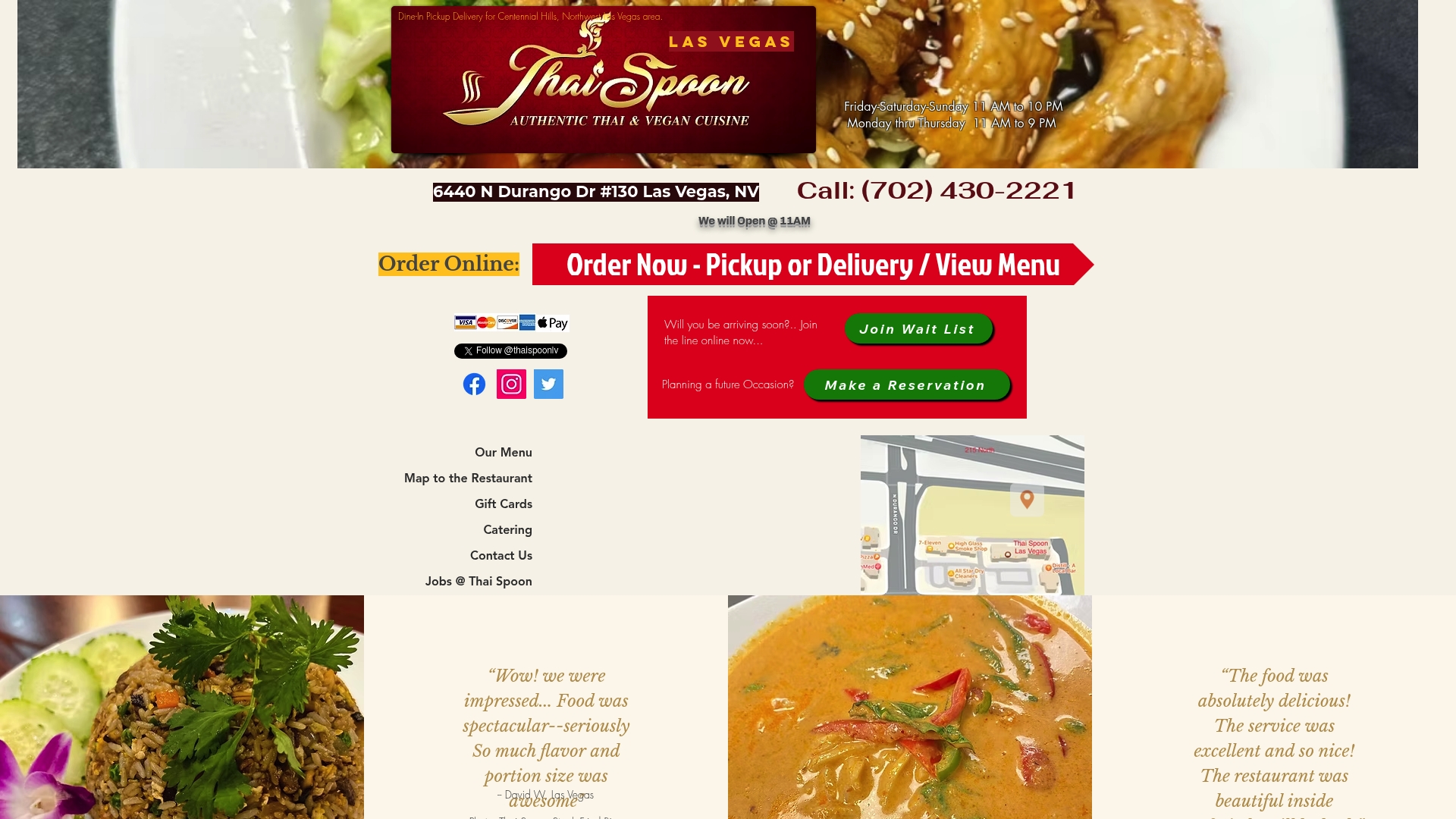
The authentic Thai menu features Thai steak fried rice prepared using traditional high-heat wok techniques and quality ingredients. Each dish receives careful attention to flavor balance and authentic preparation methods. Beyond steak fried rice, you’ll discover diverse options including Pad Thai, various curry dishes, and traditional Thai soups.
Exploring the Thai Spoon menu details reveals the restaurant’s commitment to accommodating different dietary needs. Vegan and gluten-free options ensure everyone can enjoy authentic Thai flavors regardless of restrictions. This flexibility combined with traditional cooking methods makes Thai Spoon an accessible choice for groups with varying preferences.
For larger gatherings or special events, Thai catering services bring authentic Thai cuisine to your location. This option works well for parties, corporate events, or family celebrations where you want to share genuine Thai food with guests. The catering menu includes popular dishes like Thai steak fried rice alongside other traditional favorites, allowing you to create diverse Thai dining experiences.
Whether you visit for dine-in service, order takeout, or arrange catering, Thai Spoon Las Vegas delivers consistent authentic Thai flavors. The convenient northwest Las Vegas location makes it easily accessible for local residents seeking quality Thai food without traveling to tourist-heavy areas near the Strip.
FAQ
Is Thai steak fried rice always spicy?
No, Thai steak fried rice typically features mild to moderate spiciness by default. The dish emphasizes balanced flavors rather than extreme heat. Most Thai restaurants allow you to adjust spice levels by requesting milder preparation or adding fresh chilies and chili flakes according to your preference.
What makes Thai steak fried rice different from other fried rice dishes?
Thai steak fried rice uses marinated steak, jasmine rice, and the ‘wok hei’ high-heat technique for distinctive smoky flavor. Traditional preparation emphasizes balanced savory and aromatic notes rather than heavy sauces or extreme spiciness. This differs from Chinese fried rice’s soy-forward profile or fusion versions incorporating curry paste or abundant vegetables.
Where can I find authentic Thai steak fried rice in northwest Las Vegas?
Thai Spoon Las Vegas offers authentic Thai steak fried rice prepared using traditional techniques and quality ingredients. Look for restaurants emphasizing jasmine rice, visible wok cooking stations, and balanced flavor profiles. Authentic establishments typically accommodate spice level requests and explain their preparation methods when asked.
Can I customize the spice level when ordering Thai steak fried rice?
Yes, most authentic Thai restaurants readily adjust spiciness to match your preferences. You can request mild, medium, or hot preparation when ordering. Thai culinary tradition encourages individual customization through condiments like fish sauce, fresh chilies, and chili flakes available at the table for further adjustment.
Recommended
Comments